
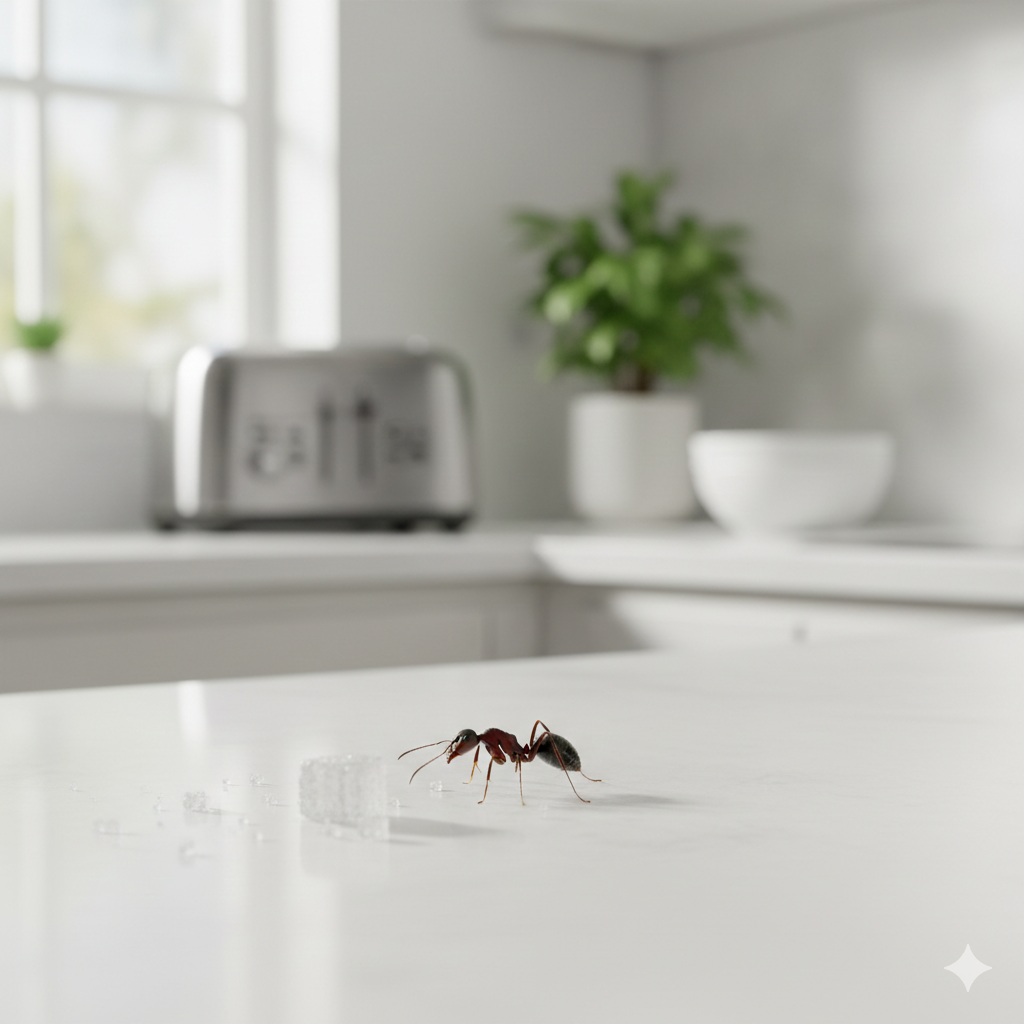
Foraging ants, invasive cockroaches, overwintering rodents, predatory spiders, and wood-destroying termites are typically the very first pests to accelerate their movements during unseasonably mild winter spells. These resilient species are uniquely adapted to survive twelve months a year inside residential crawl spaces, wall insulation, and foundation soils without depending on consistent outdoor heat. Late winter pest activity does not wait for the spring calendar to arrive; many common household invaders remain active all season within insulated structural buffers, moving more noticeably into open living areas as indoor climate controls, ambient moisture, and minor outdoor thaws intersect.
Why Do Pests Experience an Activity Surge Before Spring?
Invasive pests shake off their winter dormancy early because your home’s interior microclimates and insulated foundation soils provide a completely stable zone of warmth, shelter, and humidity—even while outdoor temperatures hover near freezing. According to data tracked by the NC State Extension, brief unseasonable winter warm spells can dramatically stimulate insect emergence and growth cycles much faster than most property owners expect.
Modern residential structures inadvertently create premium overwintering incubators. Forced-air heating systems naturally warm up wall voids, sub-flooring, and crawl spaces, while winter precipitation creates high moisture retention zones directly against masonry block lines. These ideal micro-environments allow established colonies to feed, develop, and multiply long before outward symptoms become visible across your living spaces.
Which Pests Wake Up First in Late Winter?
The primary invaders responsible for early-season thaws include ants, cockroaches, rodents, spiders, and subterranean termites. These specific species do not require consistent summer heat to navigate your home; instead, they successfully colonize underground networks, interior wall voids, and pipe runs where relative temperatures remain uniform through changing seasons.
Late Winter Structural Habitats and Behavioral Signs
| Invasive Pest Category | Primary Late Winter Structural Harborages | What Homeowners Typically Notice Indoors |
|---|---|---|
| Ants | Saturated soil near foundation lines, interior wall plates, and sill voids. | Sudden, tight foraging lines exploring kitchen or bathroom fixtures. |
| Cockroaches | Behind major kitchen appliances, plumbing drops, and electrical voids. | An increase in unexpected visual sightings when flipping on lights at night. |
| Rodents | Attic insulation beds, unvented crawl spaces, and ceiling grids. | Erratic night scratching sounds, gnawed wires, and localized fecal specks. |
| Spiders | Dark basement corners, wall insulation gaps, and storage utility boxes. | Arachnids emerging into open living spaces to hunt active insect lines. |
| Termites | Deep subterranean soils, extending upward into crawl space piers. | Typically zero visible surface signs until spring reproductive swarms launch. |
Are Ants Highly Active in Late Winter?
Yes. Foraging ants are active in late winter and are almost always the very first insects property owners discover tracking across windowsills. While an ant colony’s reproductive pace slows down during winter freezes, the nest does not shut down operations entirely. Many local species remain perfectly protected below the frost line or directly against structural foundations where soil temperatures stay consistent. Brief winter warming thaws and indoor heating triggers scouts to rapidly resume foraging paths, directing them straight toward bathroom and kitchen water vectors.
Do Cockroaches Maintain Active Foraging All Winter?
Yes. Invasive cockroaches maintain continuous activity all winter because they depend entirely on indoor heating, plumbing condensation, and enclosed human shelters rather than outdoor weather cycles. During the late winter months, cockroaches frequently push deeper into structural walls and kitchen base cabinets as external organic matter drops off. Homeowners typically note an increase in activity centered near dishwashers, sub-sink cabinets, and mechanical utility lines.
Are Rodents Still a Serious Problem in Late Winter?
Yes. Nuisance mice and rats remain aggressively active throughout late winter because they do not enter a true biological hibernation state. Small mice and rats continue nesting inside insulated walls, attics, and sub-floors during the coldest months of the year, relying on structural cardboard or fiberglass to raise their litters. Late winter stands as a peak window for homeowners to detect scratching noises inside drywall or uncover diagnostic droppings as rodents look for indoor food sources. For practical, step-by-step exclusion guidance, see our comprehensive blueprint on rodent control in Raleigh and how to secure your home against winter pests.
Why Do Spiders Suddenly Appear Inside During Late Winter Thaws?
Spiders become visible inside living spaces during late winter thaws because they are actively following and hunting the other active insect pest lines traveling through your home. While predatory arachnids slow down their metabolisms in extreme cold, they remain perfectly viable indoors. As smaller prey insects navigate wall voids and baseboard tracks, resident spiders naturally emerge from their deep hiding spots to harvest the food supply.
Are Subterranean Termites Destructive Before Spring Arrives?
Yes. Subterranean termites tunnel and feed continuously throughout the late winter because they operate underground below the frost line, safely out of reach of surface freezing. Termite colonies continue chewing through foundational sills and flooring support grids silently all winter long, generating severe structural decay without presenting a single visible surface warning. By the time winged alates eventually swarm inside your living spaces, the internal infestation has typically been underway for months. According to data from the National Pest Management Association (NPMA), airborne swarmers only appear after an underground parent colony has achieved long-term maturity and structural saturation.
Why Late Winter Pest Activity Regularly Escapes Detection
The primary reason early-season pest build-up goes completely unmanaged by property owners is that it unfolds entirely masked inside structural blind spots—such as unmonitored crawl space piers, enclosed wall insulation, and sub-surface soil lines. Because these insects and rodents operate out of sight, their populations expand exponentially before a human eye ever spots an individual scout in the open kitchen.
What Savvy Homeowners Must Recognize Before Spring Arrives
Late winter must never be treated as a dormant, pest-free season; it functions as the critical population build-up phase. Securing an early, certified property inspection and applying target-specific preventative treatments during late winter breaks up reproductive lifecycles early, drastically lowering your vulnerability to explosive spring infestations and cutting down eventual maintenance bills.
Frequently Asked Questions (FAQs)
- Do household pests genuinely wake up and forage during late winter? Yes. Many dominant regional species remain active inside heated structures or insulated foundations year-round. Minor unseasonable thaws above 50°F instantly trigger ants, roaches, and termites to accelerate their movements.
- Why do massive insect infestations seem to appear overnight in early spring? This sudden surge occurs because hidden colonies were already expanding throughout the late winter inside wall insulation, sub-floors, and crawl spaces. Once spring weather hits, the accumulated population simply emerges into visible areas all at once.
- Are late winter pests migrating in from outdoors, or are they already inside? The vast majority of pests discovered in late winter are already safely harbored inside your walls or underneath your foundation. Cold autumn weather pushed them inside months ago, and they remain nested there until targeted exclusion treatments are applied.
- Is late winter an effective window to arrange a professional pest evaluation? Absolutely. Late winter is one of the single most strategic windows of the year to inspect your perimeter. It allows certified technicians to isolate hidden entry pathways and apply preventative barriers while colony populations are at their lowest seasonal counts.
- Does standard winter freezing kill off household pests? No. Outdoor freezes do not reliably thin out structural pests. Insects and rodents instinctively adapt by tracking continuous household heat signatures, tunneling deep beneath frost lines, or seeking refuge inside insulated crawl spaces.
- Which specific pest generates the most hidden damage prior to spring? Subterranean termites cause the most severe structural destruction before spring hits. Because they chew wood cellulose continuously from the interior core outward, they can compromise load-bearing beams completely out of sight weeks before a swarm launches.
Final Property Takeaway
Late winter pest movement does not wait for the arrival of spring weather patterns. Foraging ants, resilient cockroaches, destructive rodents, spiders, and subterranean termites maintain continuous activity because your heated living spaces deliver the exact moisture and shelter they require to survive. Recognizing this late winter build-up empowers homeowners to neutralize hidden liabilities early, which is why Triangle Pest Control focuses on deploying proactive, recurring perimeter defense programs rather than relying on short-lived seasonal reactions. Secure your home’s absolute comfort—contact our team today to arrange your comprehensive home audit!