
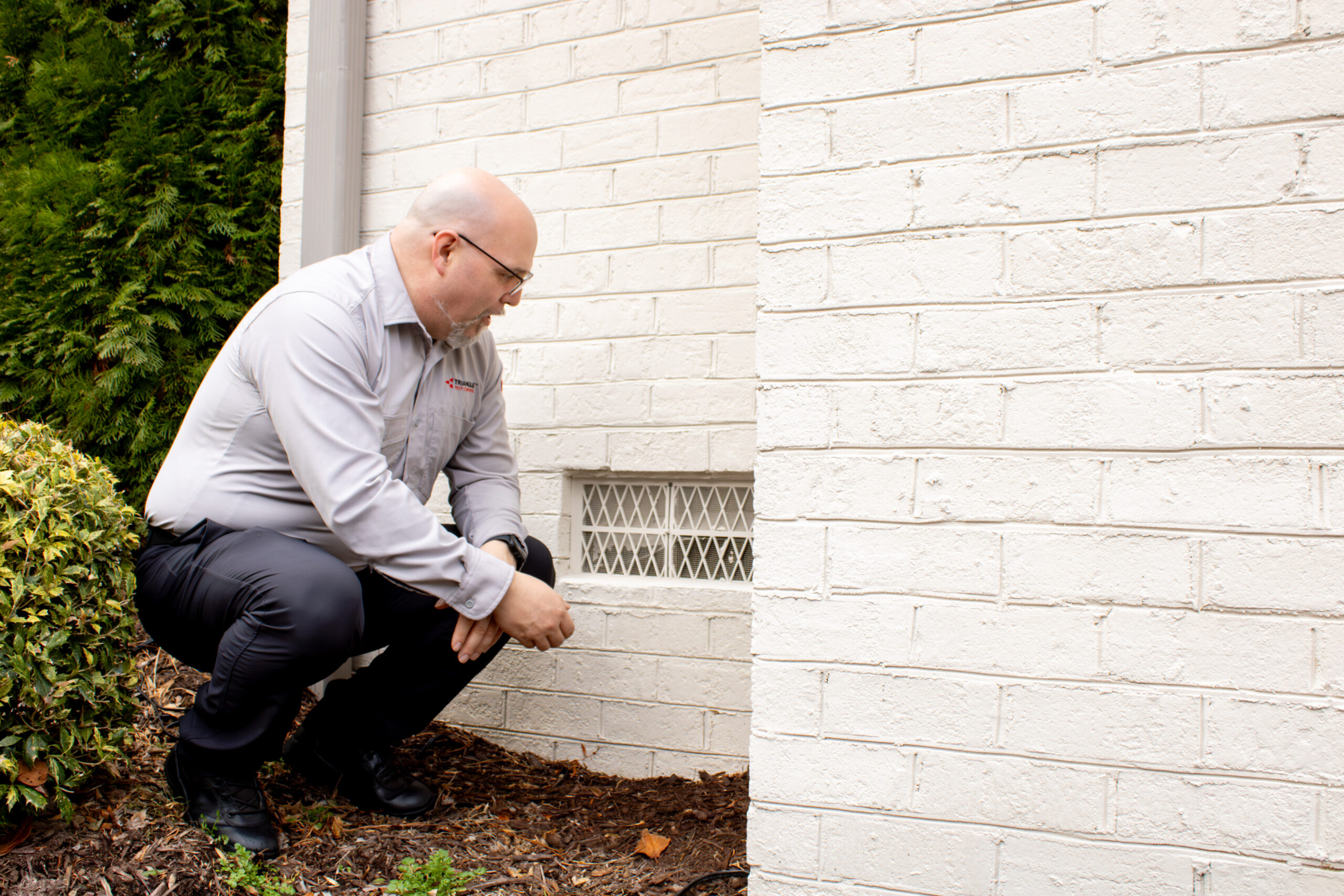
Pest problems can easily start long before spring arrives because many common household pests remain active all winter inside heated home structures and insulated soil. Late winter is exactly when hidden pest activity quietly surges. Homeowners rarely notice obvious signs at first, but interior conditions already fully support pest survival, feeding, and movement.
Can Pests Really Be Active Before Spring?
Yes, pests are highly active before spring because many species do not hibernate and are fully capable of surviving year-round in climate-controlled environments.
Ants, cockroaches, rodents, spiders, and subterranean termites all remain active during late winter when they have unrestricted access to warmth, moisture, and shelter inside your home. Structural wall voids, attics, crawl spaces, and the soil surrounding your foundation provide an insulated buffer from extreme outdoor cold.
According to NC State Extension, many insect invaders actively seek structural shelter indoors during winter and remain highly active inside heated living spaces well before spring arrives.
Which Pests Are Active Before Spring Arrives?
The specific pests most commonly active during late winter are ants, cockroaches, rodents, spiders, and termites. These destructive and nuisance pests generally remain hidden in unmonitored zones until their populations multiply, resulting in sudden, visible outbreaks in the spring.
Late Winter Pest Activity Overview
| Pest Type | Where They Nest in Winter | Why They Stay Active Before Spring | Early Warning Signs |
| Ants | Inside wall voids, insulated crawl spaces | Seek reliable indoor warmth and foraging food sources | Faint, localized indoor trails near plumbing |
| Cockroaches | Kitchen appliances, warm bathrooms | Require stable relative humidity and ambient indoor heat | Droppings, skin sheds, and sudden visual sightings |
| Rodents | Attic insulation, crawl space voids | Do not hibernate; must forage continuously for food | Nighttime scratching, rustling, or chewing sounds |
| Spiders | Basement corners, dark storage areas | Follow and hunt active winter insect populations | Increased web construction in quiet areas |
| Termites | Deep soil beneath concrete slab foundations | Feed continuously year-round below the frost line | Subterranean mud tubes, soft or damaged wood |
This structural overview highlights how pest populations steadily build deep within your home before ever becoming visible on the surface.
Why Pest Problems Before Spring Are Common in Raleigh Homes
Pest problems before spring are incredibly common in Raleigh homes because residential structures provide a steady supply of warmth, moisture, and foraging opportunities even when regional outdoor temperatures remain low.
In Raleigh, fluctuating late-winter temperature spikes combined with active indoor heating systems warm up wall cavities and crawl spaces. This creates protected, highly hospitable spaces where pests thrive. Moisture builds up consistently near unvented foundations, plumbing drops, and bathrooms, while food sources remain readily available across kitchens, pantries, and trash storage areas.
These ideal interior conditions allow pests to:
- Continue foraging and feeding uninterrupted through the winter months.
- Reproduce significantly earlier in the season.
- Expand their nesting perimeters deeper inside the structural framing.
By the time the spring calendar arrives, a massive, fully established infestation is often already securely entrenched inside the home.
Are Late Winter Pests Different from Spring Pests?
Late winter pests are not different species, but their behavior is heavily insulated, hidden, and far less visible than standard spring infestations. During late winter, pests focus purely on survival, nesting, and building colonies inside protected zones. Once spring arrives, rising temperatures trigger rapid movement, open swarming, and widespread visibility. Homeowners usually only notice the issue after the population has completely outgrown its hidden nesting space.
This is why severe pest problems can seem to “suddenly” appear overnight in April or May, even though the core activity started weeks or months earlier.
Can Termites Be Active Before Spring?
Yes, termites can be active before spring because subterranean colonies feed underground year-round and do not rely on surface warmth. They remain highly active in soil where temperatures stay completely stable, especially during mild North Carolina winters. Late winter is exactly when colonies expand their foraging tunnels and prepare reproductive swarmers for spring release. Because this wood-destroying activity happens entirely out of sight, termite infestations regularly go unnoticed until winged swarmers suddenly emerge indoors later in the season.
What Signs of Pest Activity Should Homeowners Watch For Before Spring?
Early warning signs of late-winter pest activity are exceptionally subtle and easy to miss if you aren’t actively looking for them.
Common warning signs include:
- Faint scratching, scurrying, or movement sounds inside walls or ceilings at night.
- Small, distinct droppings found in garages, attics, or utility closets.
- Isolated ant trails appearing along baseboards during brief, warm winter days.
- An unexplained increase in active spider webs inside living spaces.
- Mud shelter tubes or hollow-sounding wood elements along the home’s foundation line.
Catching these subtle indicators early is crucial to preventing expansive, costly infestations later in the year.
Does Waiting Until Spring Make Pest Problems Worse?
Yes, waiting until spring to address a pest issue makes the problem substantially worse because it gives invasive species weeks of uninterrupted time to multiply and spread. By delaying preventative treatments, you allow pest populations to grow completely unchecked inside the hidden, structural voids of your home. Once peak spring arrives, these large, entrenched infestations require far more aggressive, complex, and expensive measures to completely eliminate.
Proactive, early intervention drastically reduces the risk of structural damage and sudden indoor population spikes.
What Should Homeowners Do About Pest Activity Before Spring?
Homeowners should aggressively target pest activity before spring by scheduling professional inspections and establishing definitive preventative barriers during the late winter months.
Early-season action focuses directly on:
- Pinpointing and neutralizing hidden nesting areas before they expand.
- Sealing critical foundation gaps and utility entry points to block pathways.
- Systematically reducing structural moisture levels and accessible food sources.
- Preventing massive, disruptive spring population explosions.
Establishing a robust, proactive prevention plan is infinitely more effective than reacting to a widespread, visible infestation after it has taken over your home.
Why Professional Prevention Matters Before Spring
Professional pest control before spring is vital because highly trained technicians know exactly how to track down pests when their activity is not obvious on the surface.
Late winter professional evaluations focus intensely on:
- Inspecting structural wall voids and unmonitored attic insulation spaces.
- Auditing crawl spaces and damp foundation perimeters.
- Identifying and treating moisture-prone, high-risk entry points.
- Locating early-stage subterranean termite foraging zones.
Addressing these critical vulnerabilities early establishes an unyielding shield around your property long before spring seasonal pressure hits its peak.
Key Takeaway
Pest problems don’t wait for the spring calendar—infestations start early because common household pests remain active all winter inside homes and soil. Intercepting late winter pest activity allows you to prevent major infestations before they become visible, destructive, and harder to control. Taking action early ensures absolute protection, keeps your treatment costs manageable, and completely blocks pest surges before the season even begins.