
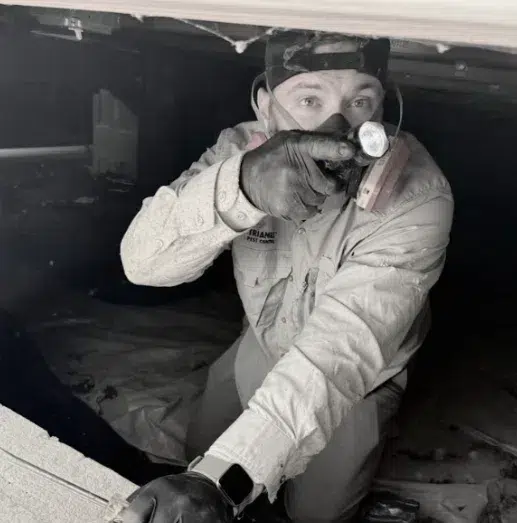
Key Takeaways
- A professional termite inspection plays a critical role in preserving the structural integrity of your property and preventing long-term damage from wood-destroying pests.
- A thorough foundation assessment detects early signs of subterranean termite activity, helping you avoid devastating structural repair bills.
- Understanding what occurs during a comprehensive home check makes property owners better prepared and informed.
- Proactive, continuous preventative termite services guard your property equity against future depreciation and structural decay.
You might not be able to see them, but active colonies of subterranean termites may be silently hollow-carving your home right now—operating completely hidden behind drywall, beneath hardwood floors, and inside the primary structural support beams you walk upon every day. These wood-destroying intruders silently weaken the load-bearing framing that protects your family. By the time an untrained eye spots a problem on the surface, the structural compromise is often already deep-seated, extensive, and incredibly costly to remediate.
So, how can you aggressively shield your property from hidden timber destruction and prevent expensive structural surprises down the road?
The definitive answer lies in securing a rigorous, professional termite evaluation.
With an expert structural audit, you can intercept hidden colonies long before they compromise your framing, saving your investment. Early detection eliminates the need for emergency structural repairs and delivers absolute peace of mind that your home remains a safe sanctuary.
Let’s break down the exact professional termite inspection process so you know precisely what to expect.
| Table of Contents | |
|---|---|
| 1 | Understanding the Real Purpose of a Termite Inspection |
| 2 | What to Expect During a Professional Foundation Audit |
| 3 | The 5-Step Structural Inspection and Barrier Strategy |
| 4 | Why Proactive Verification Protects Home Equity and Safety |
| 5 | Conclusion |
| 6 | Frequently Asked Questions (FAQs) |
Understanding the Real Purpose of a Termite Inspection
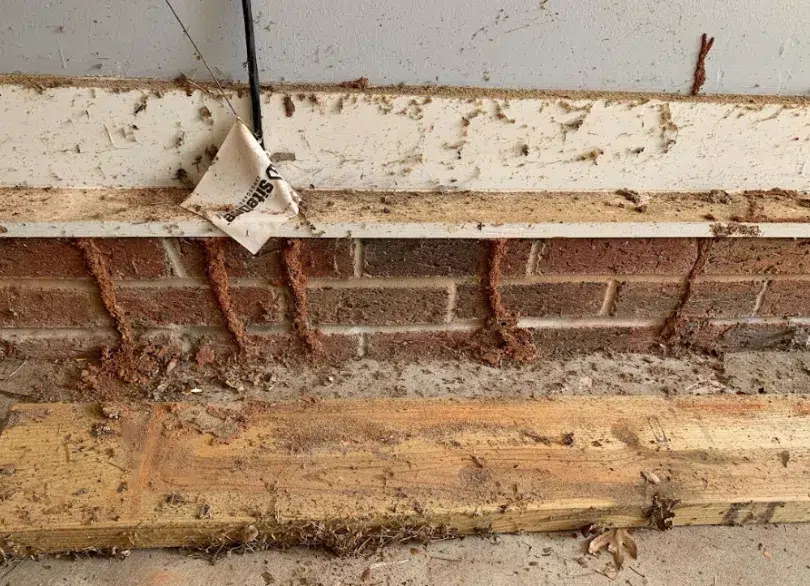
A comprehensive termite evaluation is far more than a simple walkthrough; it is a meticulous diagnostic investigation designed to expose hidden structural liabilities that remain completely invisible during daily household activities. The process involves identifying micro-clues of active foraging alongside highlighting specific environmental vulnerabilities that draw termites toward a foundation line.
Rather than forcing a homeowner to deal with a sudden property crisis after wood has already failed, proactive inspections transition a homeowner from a reactive crisis state to a predictive defense strategy.
Furthermore, a certified inspection is a mandatory asset when buying or selling a home, providing buyers with clear, verified information regarding the property’s health before closing a deal. This transparency ensures hidden liabilities are brought to light early, allowing current and future homeowners to deploy target-specific barriers to preserve the building’s core strength.
What to Expect During a Professional Foundation Audit
Experienced specialists implement a series of highly structured evaluation phases to accurately detect, track, and intercept hidden subterranean colonies before they compromise your property:
1. Initial Walkthrough and Exterior Assessment
The termite inspection process kicks off with a rigorous exterior audit, focusing intently on the property’s foundation line, abutting soil layers, landscape mulch heights, and any points where exterior wood components maintain direct contact with the ground.
Specialists closely scan masonry brick lines and slab junctions for the presence of mud shelter tubes—the protective, earth-based conduits constructed by subterranean termites to travel safely from their underground colonies up into your home’s sill plates.
Additionally, inspectors analyze moisture retention zones and check for damp wood rot around ground-level doors, windows, and decks, which naturally act as primary entry vectors for wood-destroying insects.
A comprehensive exterior audit provides a foundational overview of local pest pressure, ensuring no potential entry vector is left unexamined and guiding strategic choices on how to harden your perimeter against future entry.
2. Interior Inspection for Hidden Structural Liabilities
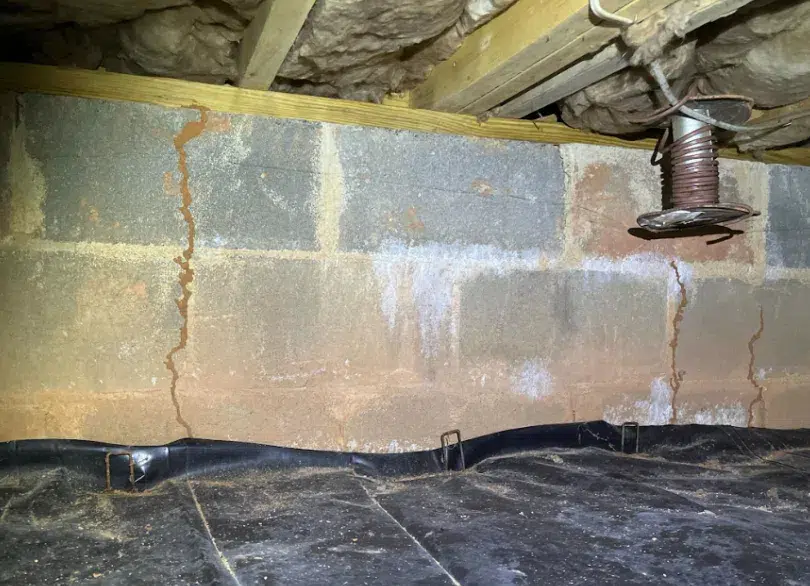
The investigation then transitions inside the home, placing direct focus on unmonitored sub-levels including basements, crawl spaces, utility closets, and attic roof lines. Technicians thoroughly examine the exposed wood framing that anchors your property.
Inspectors systematically sound structural timbers by tapping the wood, listening for deep hollow reverberations, surface blistering, or structural softening that signals active interior termite tunneling.
Spaces experiencing minor plumbing drops, historical appliance leaks, or elevated relative humidity levels receive intense scrutiny, as dark, damp interior microclimates establish an absolute ideal environment for subterranean workers to thrive. Following a rigid, certified inspection checklist ensures that no hidden void is overlooked, protecting both your structural assets and your family’s safety.
3. Identifying Active Subterranean Colony Markers
During this phase, specialists focus on identifying active colony movement. Dropped reproductive swarm wings, exploratory mud tubes scaling foundation piers, and hollowed, layered wood elements are thoroughly investigated to measure the footprint of the infestation.
Learning these specific biological indicators also helps empower homeowners to maintain basic vigilance over their perimeters between their regularly scheduled professional service visits.
This diagnostic phase is vital for engineering an accurate, heavy-hitting elimination plan. It determines the exact boundaries of the local infestation, giving you a clear path forward and restoring total peace of mind.
4. Comprehensive Reporting and Actionable Treatment Strategy
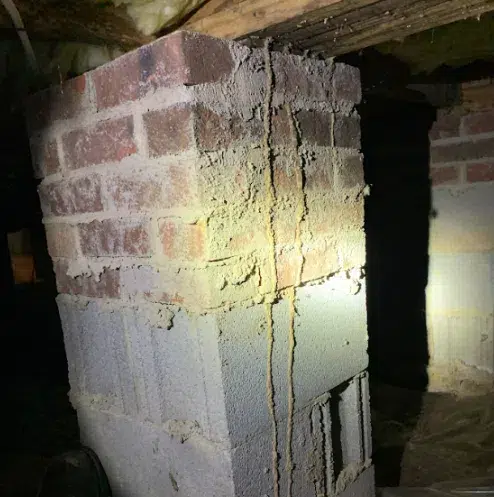
As soon as the physical evaluation wraps up, the specialist compiles a detailed, structured property report mapping out all clear findings, structural moisture vulnerabilities, and target-specific treatment recommendations. Depending on the design of your foundation and the layout of the infestation, solutions can incorporate non-repellent liquid barrier treatments, high-velocity baiting arrays, or direct localized applications.
The resulting structural report outlines precisely where long-term perimeter monitoring systems should be deployed to guarantee continuous, ongoing protection. This official documentation is an essential asset for home buyers looking to verify a building’s health prior to purchase.
Armed with this strategic blueprint, you can make clear, confident decisions regarding treatment execution, ensuring the permanent preservation of your home’s foundation.
The 5-Step Structural Inspection and Barrier Strategy
| Operational Phase | Technical Description |
|---|---|
| 1. Comprehensive Evaluation | A certified pest specialist audits all accessible interior, exterior, and crawl space foundations for active insect tunneling and structural risks. |
| 2. Environmental Diagnosis | Active plumbing leaks, soil drainage blocks, and wood moisture levels are carefully measured to identify conditions that favor termites. |
| 3. Strategic Proposal | Property owners receive a transparent, line-item treatment blueprint and clear pricing tailored to their specific foundation design. |
| 4. Treatment Execution | Licensed specialists deploy non-repellent liquid soil barriers or advanced growth regulators depending on the severity of the infestation. |
| 5. Preventative Monitoring | Properties are secured with advanced bait stations, ongoing seasonal monitoring, and full service warranties to completely block future pest pressure. |
Why Proactive Verification Protects Home Equity and Safety
1. Intercept Costly Structural Failures Early
Subterranean termites feed continuously on wood cellulose 24 hours a day, operating entirely unseen behind drywall sheets until a major support beam suddenly sags or fails. Catching a colony early halts the damage footprint, dramatically lowering potential repair costs and keeping your home’s main support beams perfectly secure.
2. Safeguard Property Appraisals and Market Value
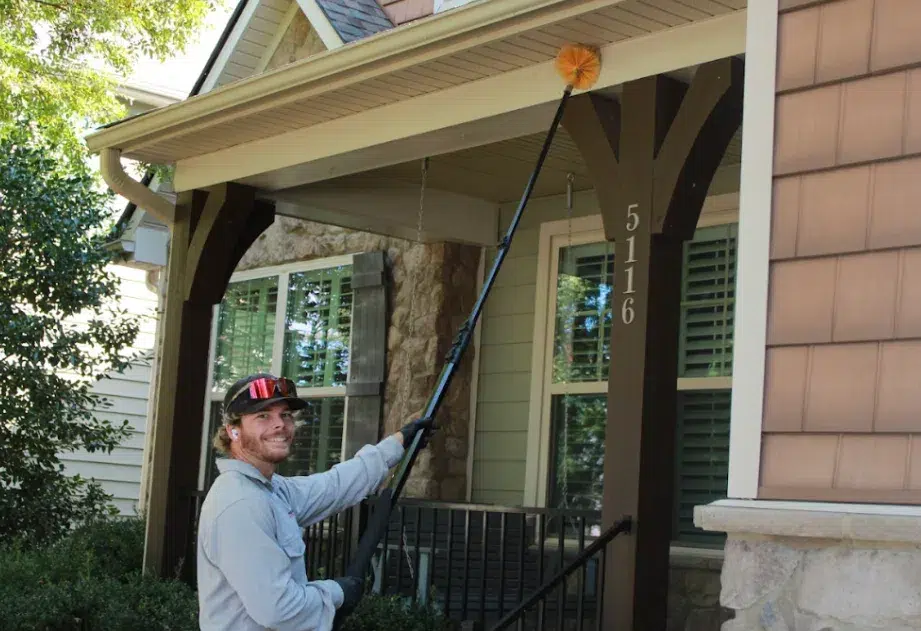
Possessing an official, unblemished termite warranty instantly elevates a home’s market value and competitive edge during future real estate transactions. Maintaining an active, professional protection history shows potential buyers that you are a responsible steward of the property, removing doubt and building total buyer confidence. Investing in recurring termite defenses directly safeguards your financial equity.
3. Ensure Absolute Structural Safety for Your Family
Unmanaged termite damage inevitably degrades the structural load capacity of building timbers, creating notable safety hazards. Regular inspections intercept wood-destroying insects long before they can cause sub-floors to warp or ceiling beams to weaken. A verified, termite-free home ensures a safe environment, keeping your family and your belongings completely secure.
4. Achieve Durable Peace of Mind Through Active Monitoring
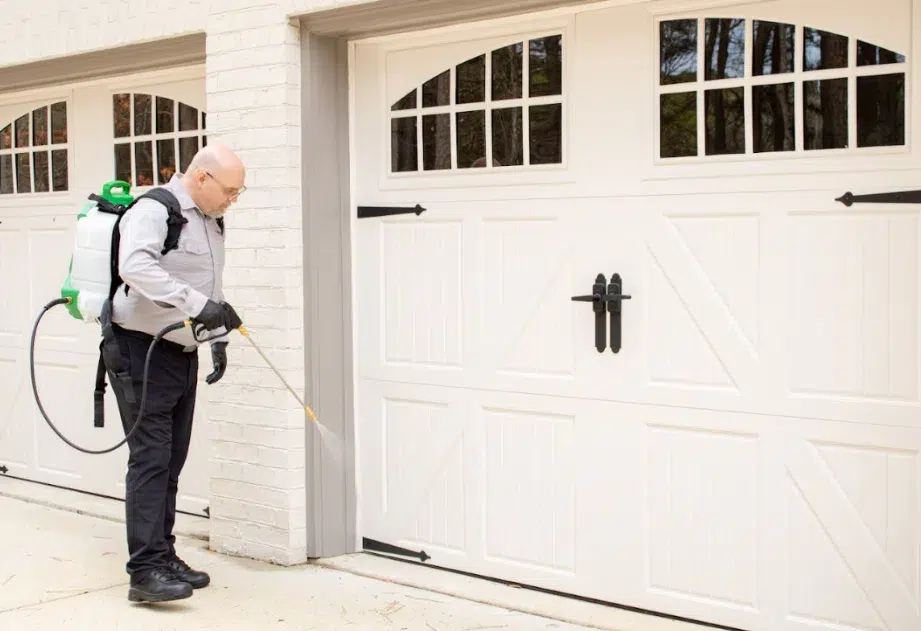
By pairing annual inspections with active, subterranean monitoring networks, property owners maintain a continuous, defensive shield against reinfestation. Establishing recurring professional audits ensures that hidden colony migrations are detected and neutralized long before they ever reach your mud sill plates. With automated exterior baiting lines in place, you can relax knowing your home is permanently guarded against wood-destroying invaders.
Conclusion
Establishing a routine schedule for termite inspections is an essential responsibility when it comes to defending your home and securing your financial investments. Intercepting an infestation early completely avoids expensive structural remediation and maintains your home’s appraisal value. Relying on certified inspections and expert preventative systems allows you to navigate changing seasons with absolute confidence. Proactive pest management is a vital duty that keeps your property safe, sound, and structurally secure for generations to come.
Take a definitive step toward securing your perimeter—schedule your comprehensive termite evaluation today and halt hidden wood-destroying damage before it has a chance to start!
Frequently Asked Questions (FAQs)
- How often should I schedule a professional termite inspection? Property owners should schedule a certified evaluation at least once a year. Annual checks are especially vital across high-pressure southern regions where subterranean colonies thrive in damp, clay-heavy soils.
- What specific elements are included on a professional termite checklist? A comprehensive checklist covers a full audit of exterior foundation lines, deep crawling space inspections, evaluation of sub-floor moisture levels, sounding of interior sill plates, and looking for diagnostic indicators like mud shelter tubes or shed swarm wings.
- Are professional termite inspection methods safe for my family and pets? Absolutely. Trained specialists utilize completely non-disruptive, safe visual and acoustic diagnostic procedures that cause zero chemical exposure or disruption to your household routines.
- What specific control techniques are deployed if active termites are discovered? If an active infestation is uncovered, specialists immediately deploy target-specific counter-measures. This can include precise non-repellent liquid soil barriers, targeted localized injections, or advanced exterior baiting arrays like the Trelona system to completely wipe out the queen and the parent colony.