
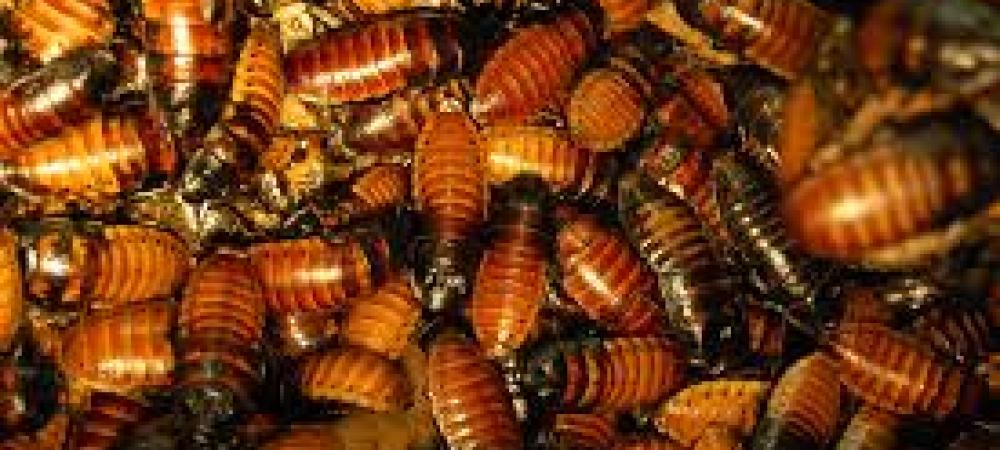
Managing an active cockroach introduction is rarely a straightforward task; these ancient, highly resilient insects are exceptionally resourceful scavengers. Attempting to suppress an indoor population using consumer store products requires an exhausting, multi-tiered approach, and even then, your most reliable path forward is partnering with local structural experts. Invasive species like the German cockroach multiply at an explosive biological pace, meaning that once a colony establishes a foothold behind your drywall, basic do-it-yourself measures are rarely effective. Chemical management protocols, in particular, are safest when left to certified specialists. Consumer “roach bombs” and aerosol foggers release highly repellent vapors that alarm the insects, driving them to scatter deeper into your structural framing, while introducing unnecessary inhalation risks for families and domestic pets if administered incorrectly. If you require advanced assistance, Triangle Pest Control delivers dependable pest control in Mint Hill, NC to help you establish long-term population suppression.
Fortunately, this does not mean you are entirely powerless against invading pests. Incorporating these six essential structural and sanitation habits into your home maintenance routines dramatically lowers your structure’s baseline vulnerability:
1. Establish Aggressive Structural Exclusion
Invasive cockroaches possess highly flexible, flat body profiles that allow them to easily navigate through microscopic building flaws. Systematically close off all visible foundation cracks, baseboard expansion seams, and plumbing entry lines utilizing premium silicone or elastomeric caulk. Maintain strict vigilance across your inspection sweeps—a juvenile cockroach requires an opening no wider than a standard credit card to easily breach your living spaces.
2. Maintain Intensive Kitchen and Dining Sanitation
Keeping your cooking and dining environments thoroughly sanitized is a non-negotiable step in starving out foraging scouts. Wipe away crumbs, liquid spills, and sticky food scraps immediately after preparation. Cockroaches are profoundly attracted to organic lipid residues, making it vital to scrub down greasy stovetops, exhaust hoods, and oven side-panels with an alkaline, grease-cutting detergent or specialized enzymatic degreaser rather than simple acidic solutions like vinegar, which cannot properly break down heavy kitchen oils.
3. Transition to Heavy-Duty Airtight Food Storage
Leaving dry food goods inside open paper bags or thin cardboard packaging rolls out a literal welcome mat for foraging columns. Transfer all dry pantry items—including baking flours, processed sugars, rice, and processed cereals—into heavy-duty, airtight glass or hard plastic storage canisters. Additionally, avoid leaving domestic pet food bowls sitting uncovered on utility floors overnight, as pet kibble serves as an exceptionally high-value protein reward for nocturnal scouts.
4. Eliminate Organic Clutter Indoors and Outdoors
Unmanaged household clutter delivers an ideal combination of shelter and alternative food sources for foraging insects. Ensure all indoor kitchen trash cans are equipped with tight, rubber-gasket lids and empty your waste bags into your exterior rolling bins every single evening. Move backyard compost piles as far away from your foundation wall as possible, elevate stacked firewood racks completely off the soil, and clean away damp leaf drifts from your perimeter. Indoors, clear away unwashed dishes from the sink before bedtime and recycle stacks of old magazines, cardboard boxes, and newspapers, as silverfish and cockroaches aggressively feed on the starch-based cellulose glues used in paper binding.
5. Trim Back Perimeter Landscape Highways
Overgrown tree branches, ornamental canopy lines, and dense foundation shrubs touching your siding function as direct pest highways into your structure. Keep all exterior vegetation meticulously trimmed back at least three feet away from your walls and rooflines. Removing these touching branches systematically chokes off the primary bridge that crawling insects utilize to locate unsealed utility drops or weep holes.
6. Secure Certified Professional Management
Few property owners have the spare time required to wage a continuous, losing war against hidden cockroach aggregations. Separate species of cockroaches in North Carolina exhibit highly diverse nesting habits, moisture dependencies, and chemical resistance traits, demanding completely custom-tailored treatment strategies to successfully manage.
Partnering with a trusted local team completely removes the guesswork. A professional cockroach pest control program begins with an intensive diagnostic inspection to isolate active harborages, map out hidden moisture liabilities, and deploy advanced, non-repellent transfer baits that worker insects pass throughout the entire nesting matrix to neutralize the colony at the core. Our QualityPro certified specialists utilize the latest low-impact technologies to establish a durable protective perimeter around your home, delivering lasting comfort through every changing season. Reclaim total control over your home’s sanitation—contact the local team at Triangle Pest Control today to secure your comprehensive home audit!