
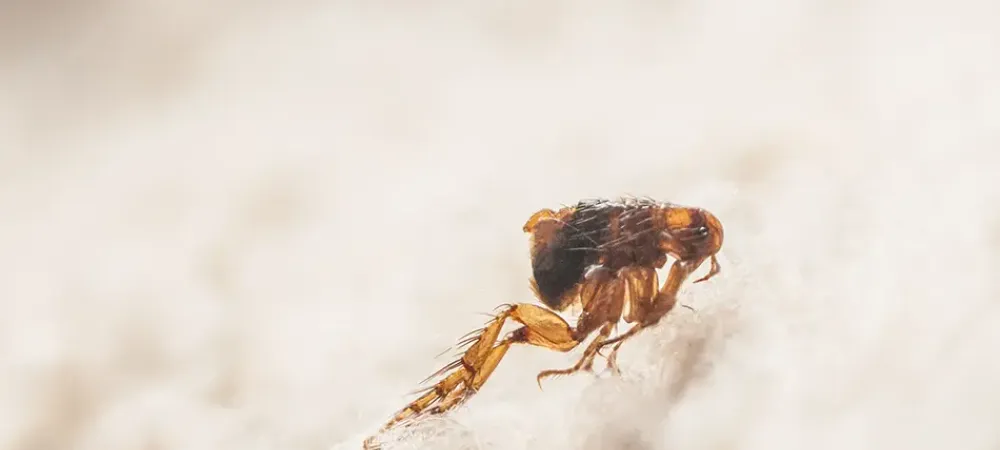
Fleas are a common pest problem in North Carolina, especially during the warm, humid months when these tiny nuisances thrive. Whether you have pets or not, fleas can find their way into your home and yard, causing sudden discomfort and frustration for the whole family. In this guide, we’ll help you accurately identify fleas, highlight the most common types found in North Carolina, provide practical prevention tips, and explain the safest, most effective ways to reclaim your space.
How to Identify Fleas
Fleas are tiny, wingless insects that depend on the blood of animals and humans to survive. Measuring only about 1/8 inch long, they are reddish-brown and have narrow, flat, hard bodies that make them incredibly difficult to crush. These pests are known for their powerful hind legs, which allow them to leap long distances—up to 8 inches vertically and 16 inches horizontally—to catch a passing host.
Common signs of an active flea presence include:
- Itchy Pets: Fleas are often first noticed when family pets start scratching or biting at their fur excessively. Check for small, red bite marks along their skin, particularly near the base of the tail.
- Flea Dirt: Flea dirt looks like tiny black pepper specks on your pet’s skin, bedding, or the carpets where your pet frequently rests. If you place these specks on a wet paper towel and they turn reddish-brown, it is a definitive sign of flea activity.
- Bites on Humans: Flea bites typically appear as clusters of tiny, itchy red spots, most commonly concentrated around the ankles and lower legs.
- Visual Sightings: Spotting a single flea crawling across a rug or blanket usually means there are many more developing hidden away out of sight.
Flea Season in North Carolina
Flea season in North Carolina typically begins in late spring and stretches until early fall, as these pests thrive in our signature warm, damp summer climate. However, indoor infestations can easily become a year-round issue once a colony finds its way inside a climate-controlled home. Property owners across Raleigh, Charlotte, and the surrounding Piedmont region should stay especially vigilant as outdoor temperatures heat up.
Common Types of Fleas in North Carolina
In North Carolina, two flea species are responsible for the vast majority of residential pest complaints:
- Cat Flea (Ctenocephalides felis): Despite its name, the cat flea is the number one flea species found on both cats and dogs across the state. They reproduce rapidly and are highly adaptable, making them the primary culprit behind household infestations.
- Dog Flea (Ctenocephalides canis): While less prevalent than the cat flea, dog fleas are still commonly found throughout North Carolina. They live on household pets and local outdoor wildlife, and can transmit secondary health issues like tapeworms.
How to Prevent Fleas
Preventing fleas before they establish a foothold is the easiest way to keep your home comfortable. Here are a few low-impact prevention habits for North Carolina homeowners:
- Regular Pet Care: Consult your veterinarian to establish a consistent, year-round flea prevention routine using approved topical or oral treatments. Grooming your pets regularly with a fine-toothed flea comb helps catch early signs of activity.
- Mindful Yard Maintenance: Fleas thrive in tall grass and damp, shaded outdoor zones. Keep your lawn mowed short and clear away organic debris piles like leaves or thick mulch blankets where wild hosts might rest.
- Keep Wildlife at Bay: Neighborhood wildlife like raccoons, squirrels, opossums, and stray cats can carry thousands of fleas into your yard. Secure trash bin lids and use fencing or landscaping buffers to discourage wildlife from nesting near your foundation.
- Vacuum Systematically: Adult fleas only represent a tiny fraction of an infestation; the rest are eggs and larvae developing deep inside fibers. Vacuum carpets, area rugs, and upholstered furniture at least once a week, and immediately empty the contents into an outdoor trash bin.
- Wash Linens Regularly: Wash your pet’s bedding, as well as your own blankets if your pets cuddle with you, in hot water on a regular cycle to eliminate hidden eggs.
Learn About Our Family-Friendly Flea Prevention
How to Get Rid of Fleas
Completely eradicating a flea problem requires a thorough, multi-step approach that addresses your pets, your home’s interior, and your yard. Because fleas are incredibly resilient, it is important to understand the hidden risks and limitations of common DIY methods so you can protect your household effectively.
1. Treat Your Pets First
Because fleas rely heavily on pets as their main food source and transport system, securing your animals with veterinarian guidance is the vital first step:
- Targeted Bathing: Use a gentle, veterinarian-approved flea shampoo to clear adult fleas currently living on your pet’s coat. Always follow label directions closely to avoid skin irritation.
- Long-Term Preventatives: Apply trusted oral or topical medications prescribed by your vet. These work continuously to break the flea life cycle right on the host.
- Manual Removal: Carefully run a fine-toothed flea comb through your pet’s fur, dipping the comb into soapy water as you go to safely trap and drown the insects.
2. Treat Your Home (And Navigating the Risks of DIY)
Tackling fleas indoors requires targeting the baseboards, carpet padding, and deep furniture seams where larvae grow. However, many popular over-the-counter home remedies carry unexpected downsides:
- The Hidden Danger of Diatomaceous Earth: While often marketed as a natural option, sprinkling diatomaceous earth powder across carpets creates a real respiratory hazard. When stepped on or kicked up, the microscopic, abrasive dust can severely irritate the lungs of children and pets. Furthermore, this sharp powder acts like sandpaper inside household vacuum cleaners, frequently burning out vacuum motors after just a single use.
- The Limitation of Broadcast Foggers: Over-the-counter flea “bombs” or foggers blast chemical mist straight up into the air. This mist simply settles on top of your countertops, tables, and open surfaces where you cook and live, without ever penetrating deep down into the baseboards, cracks, and carpet base where flea pupae are actually hiding.
- A Safer, Mindful Alternative: Rather than broadcasting heavy airborne powders or airborne mists, focus on meticulous, daily vacuuming to naturally draw out pupae. Combine this with targeted, low-impact interior solutions that utilize an Insect Growth Regulator (IGR). IGRs target the unique molting biology of the insect rather than broadcasting broad chemical sprays throughout your living spaces.
- High-Heat Washing and Steaming: Wash bedding in hot water and consider utilizing a professional steam cleaner for carpets. The deep heat safely neutralizes fleas at all life stages without any chemical footprints.
3. Treat Your Yard Safely
The outdoor perimeter is often the source of a recurring indoor issue. Keeping your yard balanced and clear naturally deters pests from building outdoor colonies:
- Sunlight is Your Best Friend: Keep your lawn mowed short to allow sunlight to hit the soil. Flea larvae cannot survive in hot, dry, sunlit areas—they require deep, damp shade to grow.
- Clear Hidden Hiding Spots: Bag up damp grass clippings, dense piles of fallen leaves, and old organic debris stored under decks where neighborhood wildlife might seek shelter.
4. Consistency and Breaking the Life Cycle
Flea pupae wrap themselves in protective, silk-like cocoons that shield them from basic over-the-counter sprays. This is why a DIY treatment might seem to work for a few days, only for a brand-new wave of fleas to emerge a week later. Breaking the cycle takes time and steady persistence, requiring continuous daily vacuuming and ongoing preventative pet care for several consecutive weeks.
5. Partner With a Local Professional
If a flea infestation continues to return despite your hard work, skipping the headache of risky, messy over-the-counter products and bringing in an expert team is the most effective choice. At Triangle Pest Control, our highly trained professionals specialize in target-specific, low-impact perimeter and interior systems. We utilize advanced, family-friendly growth regulators that completely stop flea development right at the source, giving you back your home’s total comfort without the stress. Contact us today to schedule your no-cost flea inspection!