
Noticing heavy clusters of small, square-shaped brown insects swarming around your home’s exterior fascia or windows? If this behavior is unfolding across your lot, you are likely dealing with an active introduction of invasive kudzu bugs. Since their initial introduction into the southeastern United States from Asia in the early 2000s, these resilient agricultural pests have expanded rapidly across North Carolina, establishing a permanent presence that introduces distinct seasonal challenges for homeowners throughout the Triangle and Charlotte metro regions.
The biological reality is that kudzu bugs represent far more than a passing, short-lived outdoor nuisance. If left unmanaged, they can easily cause unsightly chemical staining across your home’s siding, introduce frustrating airborne allergens to your immediate living spaces, and serve as an indicator of broader environmental vulnerabilities around your landscape that demand advanced, professional intervention.
Anatomical Profile: Identifying the Invader
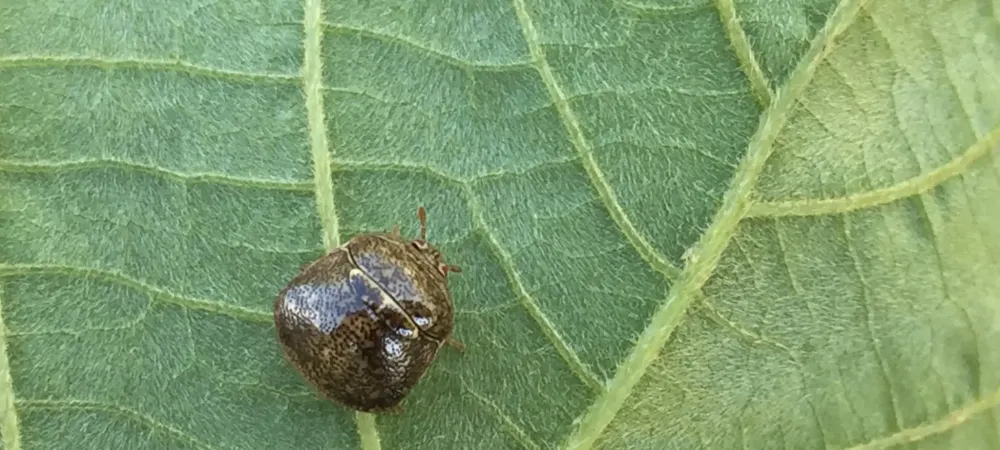
Kudzu bugs (Megacopta cribraria) are small, globally invasive insects belonging to the bean-plataspid family. They measure roughly 1/4 inch in length—placing them at a similar size baseline to a standard ladybug—but carry a distinct olive-brown or mottled tan coloration with fine darker punctures scoring their hard outer shells. Unlike beneficial garden beetles, kudzu bugs feature a flat, squared-off posterior abdomen and a highly gregarious nature, meaning they gather in massive, highly dense aggregations across reflective, light-colored vertical planes such as white or beige vinyl siding, window casings, and light outdoor furniture.
What many North Carolina property owners fail to realize is that the highly visible adult clusters coating your gutters represent only one segment of the local population. The primary reproductive engine is operating directly out of sight within nearby kudzu fields, wisteria patches, and residential legume gardens, where developing nymphs are feeding aggressively and preparing for their next major structural migration.
Why Your North Carolina Property Serves as an Ideal Target
Kudzu bugs maintain a highly specific dietary dependency on legume host plants. They feed using piercing-sucking mouthparts to drain sap from structural stems, targeting invasive kudzu vines, agricultural soybean crops, and backyard vegetable gardens containing snap peas or butter beans. North Carolina’s vast, unmanaged woodland borders packed with wild kudzu provide the ultimate reproductive breeding ground, while our long, humid summer thaws allow them to thrive without natural biological checks.
Living in our region means managing a unique two-phase seasonal migration pattern. Overwintered adult bugs first emerge from building cracks in early spring to deposit egg clutches across fresh vegetation. However, the most severe nuisance pressure strikes during late summer and early autumn. As the second generation of adults reaches maturity and local agricultural crops are harvested, millions of these insects take flight simultaneously, hunting for insulated, south-facing structural masonry and brick voids to safely overwinter and escape sub-freezing winter drops.
Warning Flags That Demand Professional Mitigation
While attempting to wash these pests off your trim with a basic garden hose is a tempting short-term fix, specific visual and environmental symptoms show that a localized population has grown beyond simple home maintenance controls:
- Multi-thousand insect clusters completely masking large sections of your exterior siding or window frames.
- Active, recurring entry where flying bugs are continuously breaching window screens to accumulate inside living spaces.
- Experiencing sudden skin irritation, blistering, or localized allergic reactions after accidentally contacting the insects or their nesting zones.
- Severe, visible wilt or stunting across your backyard vegetable gardens, particularly on prized climbing beans and peas.
- Irreversible yellow or dark-brown staining across exterior vinyl siding or decorative shutters caused by their acidic, highly odorous defensive secretions.
- A escalating infestation pattern that returns noticeably heavier and more aggressive with each passing year.
Encountering these indicators confirms the presence of deeply established regional populations that demand commercial-grade treatments and sophisticated integrated pest management strategies to successfully suppress.
The Inefficacy and Hidden Pitfalls of Consumer DIY Tactics
Many local homeowners waste entire weekends attempting to combat these persistent swarms utilizing everything from heavy pressure washers to shop vacuums. The fatal flaw behind the vast majority of do-it-yourself approaches is that they operate purely reactively against the visible adult insects coating your doors, doing absolutely nothing to impact the vast breeding reservoirs operating in the surrounding landscape or the hidden insects tucked deep beneath your soffits.
This structural dynamic creates a classic seasonal cleanup trap. A homeowner may successfully vacuum a few hundred bugs off their porch, enjoying a brief moment of relief, only to discover a fresh, higher-density swarm coating the exact same siding twenty-four hours later as new migratory fronts arrive from nearby fields. Beyond the pure frustration and drained financial resources, incomplete consumer treatments frequently drive stressed bugs to find entry lines into interior drywall voids, while increasing your family’s exposure to their defensive oils and risking permanent cosmetic damage to your home’s exterior paint through aggressive cleaning attempts.
How a Certified Professional Blueprint Controls the Swarm
Professional technicians approach invasive kudzu bug management by deploying comprehensive, multi-tiered systems engineered precisely around our state’s unique seasonal patterns. A professional containment program integrates multiple advanced defense phases:
- Rigorous Landscape Diagnostic Audits: Certified specialists evaluate your entire property layout, tracing local flight paths back to hidden structural breeding grounds in nearby brush lines that homeowners routinely miss, while identifying the home’s most vulnerable construction entryways.
- Targeted Source Population Suppression: Utilizing advanced, commercial-grade micro-encapsulated treatments, experts knock down active populations directly within their preferred outdoor vegetation hubs while creating a durable, long-lasting chemical barrier along your home’s foundation sills.
- Calibrated Seasonal Timing Barriers: Professional perimeter treatments are timed precisely to precede the natural biological migration windows of the species, delivering maximum protective barrier strength exactly when early spring emergence and fall hibernation swarms strike.
- Continuous Follow-Up Tracking: Comprehensive management includes seasonal monitoring and target-specific supplemental treatments during high-pressure harvest weeks to guarantee your home’s infrastructure maintains proper protection.
The Real Cost Realities: Long-Term Prevention vs. Reactive Expenses
The appeal of attempting to self-treat a kudzu bug swarm is understandable, as the insects appear vulnerable when clustering openly on a wall. However, buying a continuous rotation of weak consumer retail sprays, topical bug powders, and specialized vacuums over multiple months accumulates a significant financial footprint, all while allowing the primary colony to expand unhindered. Failing to establish an expert barrier early often allows traveling bugs to secure deep overwintering harborages inside attic insulation, which can make subsequent structural exclusion and interior removal substantially more complex and expensive to manage down the road.
Investing in a professional preventative barrier plan is a highly cost-effective decision for your real estate equity. Partnering with a licensed specialist completely eliminates the guesswork, protecting your landscaping investments, shielding your siding assets from permanent chemical stains, and restoring the full, uninterrupted enjoyment of your outdoor deck and patio spaces during beautiful autumn afternoons.
Partner with Triangle Pest Control to Protect Your Home
You do not have to allow invasive seasonal swarms to dictate the comfort and safety of your North Carolina home. At Triangle Pest Control, our QualityPro certified field experts possess deep technical training in the specific landscape dynamics, climate variables, and exclusion protocols required to handle invasive species across our state. We isolate hidden entry channels, lower localized breeding loops at the true biological source, and maintain a highly resilient exterior shield around your property. Protect your home investment from becoming a seasonal insect headquarters—contact our local team at Triangle Pest Control today to arrange your comprehensive structural evaluation and reinforce your perimeter defenses!