
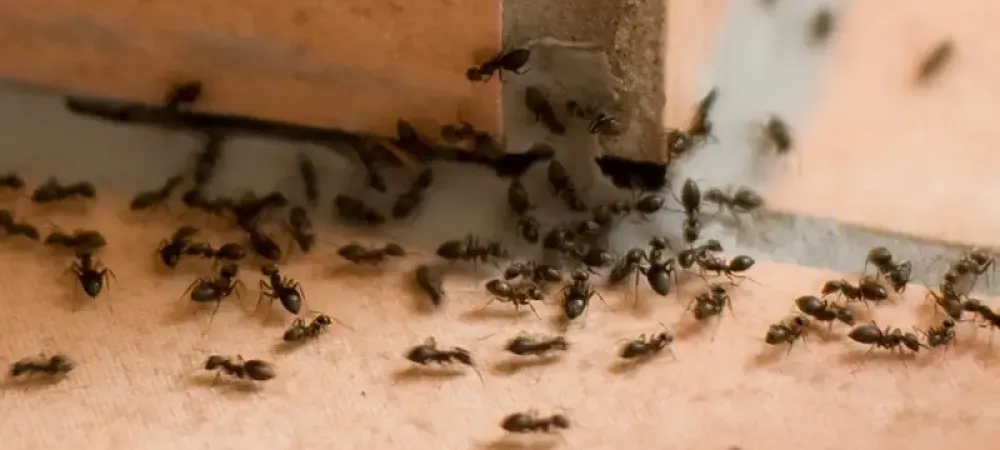
Skipping routine seasonal barrier applications across North Carolina inevitably exposes real estate assets to significantly higher long-term maintenance costs through hidden structural decay, public health liabilities, and expensive emergency remediation visits. Implementing a consistent program of proactive preventive pest management tracks a financial footprint that is three to five times more cost-effective than waiting to manage a fully entrenched infestation. Our state’s humid subtropical climate and mild winter baselines create a continuous breeding incubator, allowing hidden colonies to expand with exceptional velocity if exterior perimeter shields are permitted to degrade.
What is Proactive Seasonal Pest Control?
Seasonal pest management is a forward-thinking structural protection protocol that relies on scheduled perimeter treatments and detailed architectural inspections throughout the year. Rather than operating reactively after an indoor breach has manifested, this science-backed strategy focuses heavily on prevention. It systematically interrupts insect reproductive cycles, alters local harborage conditions, and intercepts seasonal migration paths before pests can establish deep roots inside your home.
Because North Carolina features diverse geographical climate zones, a reliable seasonal program must dynamically adjust its defensive vectors to match shifting biological milestones. This includes spring perimeter hardening against emerging wood-boring scouts, summer suppression of high-density biting vectors, autumn exclusion of overwintering structural invaders, and winter monitoring of insulated sub-floor spaces. This multi-tiered strategy recognizes that different pest classes pose unique structural threats as the weather changes, demanding target-specific formulas to preserve an unbroken protective shield.
Key Material Advantages of Proactive Maintenance Schedules
Maintaining a consistent residential pest protection schedule yields material advantages that directly safeguard your family’s health and maximize your real estate equity:
- Substantial Long-Term Financial Protections: Sustaining a standard preventative maintenance plan is an exceptionally cost-effective choice for your household budget. In sharp contrast, waiting for a severe biological breach to force an emergency dispatch often results in intensive cleanout bills, specialized structural tracking costs, and unexpected out-of-pocket expenses. Furthermore, structural restoration labor following unmanaged wood-destroying insect damage represents a massive financial liability for local property owners, making it absolutely critical to learn how to actively identify and prevent termites early.
- Preservation of Structural Integrity: Continuous perimeter shielding keeps wood-boring threats like subterranean termites and carpenter ants from quietly hollowing out load-bearing structural timbers. Regular technical audits locate hidden moisture conduits and construction vulnerabilities long before traveling workers can organize secondary nesting centers behind your drywall.
- Drastic Reductions in Vector Health Risks: Shifting weather patterns drive dangerous disease-carrying vectors—including mosquitoes, ticks, and commensal rodents—directly toward human living zones. A proactive barrier framework lowers your family’s exposure to regional public health threats like Lyme disease, Rocky Mountain spotted fever, and West Nile virus, which carry high vector tracking rates across the Carolinas and can result in severe medical liabilities.
The Four-Season Core Threat Matrix
To maintain an effective barrier shield, your property protection plan must adjust its active parameters to address the shifting biological cycles native to our ecosystem:
| Seasonal Phase | Biological Insect & Rodent Triggers | Primary Perimeter Target Areas |
|---|---|---|
| 1. Spring Emergence | Subterranean termite alate flights, carpenter ant foraging scouts, and dormant stinging insects awaken as soil temperatures cross key thaws. | Hardening low foundation plates, masonry weep holes, and expansion joints against active wood-boring entry. |
| 2. Summer Peak | Biting mosquitoes, paper wasps, and aggressive fire ant colonies reach maximum reproductive volumes fueled by intense ambient heat. | Disrupting outdoor stagnant water liabilities and deploying target-specific biological growth regulators (IGRs) across landscape canopies. |
| 3. Autumn Migration | Commensal mice, brown marmorated stink bugs, kudzu bugs, and spiders actively seek warm structural voids to escape dropping barometric lines. | Executing high-level mechanical exclusion across roofing soffit lines, attic vents, and incoming utility conduit penetrations. |
| 4. Winter Monitoring | Rats, mice, and silverfish exploit internal heating distribution lines, insulated wall voids, and unmonitored storage zones to forage. | Deploying interior diagnostic monitoring boards, auditing crawl space humidity levels, and maintaining food sanitation boundaries. |
The Financial Escalation Cascade: How Delay Compounds Costs
Allowing your property’s exterior barrier treatments to lapse initiates a predictable, accelerating cycle of biological and structural liabilities:
Phase 1: Silent Colonial Establishment
When seasonal rotations are skipped, traveling insect scouts locate unshielded access paths completely unchallenged. They lay down permanent chemical pheromone tracking lines, allowing satellite colonies to establish breeding pockets deep inside wall framing voids without presenting a single surface warning sign.
Phase 2: Secondary Structural and Material Damage
As the unmanaged indoor population expands exponentially, the infestation begins causing progressive damage to your home infrastructure. Wood-destroying insects chew through internal cellulose supports, while foraging rodents target structural fiberglass insulation and bite live electrical wire jackets, creating severe hidden fire hazards behind your baseboards.
Phase 3: Emergency Financial Realities
By the time a property owner uncovers obvious insect swarms or physical blemishes on their walls, the biological population has grown deeply entrenched. Remediating a severe, advanced infestation demands intensive localized chemical flushing, extensive physical construction repairs, and significant out-of-pocket expenditure—costs that easily scale five to ten times higher than a predictable annual preventative plan.
Southeastern Environmental Pressures and Geographic Factors
North Carolina’s unique geographical positioning introduces distinct environmental challenges that demand local expert calibration to successfully manage:

Localized Vector Variability: Properties across coastal zones manage unique, moisture-driven insect lines that demand heavy sub-floor vapor auditing, whereas homes across the Piedmont and mountain foothills face rapid wildlife displacement pressures as suburban developments continuously expand into native hardwood forests.
Post-Storm Environmental Management: Major tropical weather systems and heavy summer downpours leave behind widespread standing water and saturated soil layers. These post-storm conditions roll out a virtual welcome mat for massive mosquito breeding waves while shifting topsoil pressures to drive subterranean ant colonies straight up into dry residential sub-flooring. Comprehensive seasonal protection integrates rapid-response storm audits to intercept these sudden biological surges.
Critical Management Mistakes to Avoid
- Treating Only Visually Apparent Activity: Waiting until you observe a trail of insects crawling across your kitchen countertop means you are acting years too late. Surface foragers represent only a tiny fraction of a mature parent nest operating out of sight inside your structure, making continuous monitoring far superior to reactive spot-spraying.
- Relying on Temporary Consumer Retail Spray Cans: Off-the-counter DIY sprays utilize highly repellent, short-lived chemicals that fail to reach the reproductive core of a colony. This aggressive approach often panics the insects, causing a single nest to fracture (or “bud”) into multiple separate breeding cells deep inside your walls.
- Allowing Gaps in Your Defense Rotation: Pausing your service rounds during periods of perceived “low pest pressure” allows environmental barriers to break down completely under UV exposure and rain. This gap gives traveling winter pests a clear path to claim territory, leading to a massive population explosion when spring arrives.
Frequently Asked Questions (FAQs)
Can a homeowner safely pause exterior barrier treatments during the winter?
No. North Carolina’s mild winter microclimates maintain active pest populations year-round. While surface insects may slow down outdoors, mammalian rodents and silverfish aggressively shift their focus inward to target insulated utility voids, making winter barrier checks a vital structural step.
How do regional storm events alter a home’s baseline pest vulnerabilities?
Heavy rainfall and flooding oversaturate native topsoils, driving underground colonies out of their natural habitats and forcing them to hunt for dry wood framing lines along your foundation, while leaving behind standing water catchments that accelerate mosquito breeding.
Secure Your Real Estate Investment with Triangle Pest Control
Insulating your home infrastructure from the costly realities of hidden pest damage demands advanced diagnostic tools, target-specific product chemistry, and deep training in native insect behavior. Relying on short-lived consumer retail fixes or waiting to react to a visible crisis will only lead to ongoing frustration and unmanaged structural liabilities across your real estate asset.
At Triangle Pest Control, our QualityPro certified field experts possess the scientific background and local experience necessary to design custom-tailored perimeter shields built around the exact variables of your home layout. We clear out active harborages at the true biological source, close off hidden entry pathways, and sustain an unbroken exterior barrier to keep your interior living spaces comfortable and secure through every season. Reclaim complete confidence in your boundaries—contact our local specialist team today to secure your comprehensive structural assessment and establish your year-round shield!
Call our local office team directly at 919-283-3205 to arrange your seasonal property defense evaluation today.