
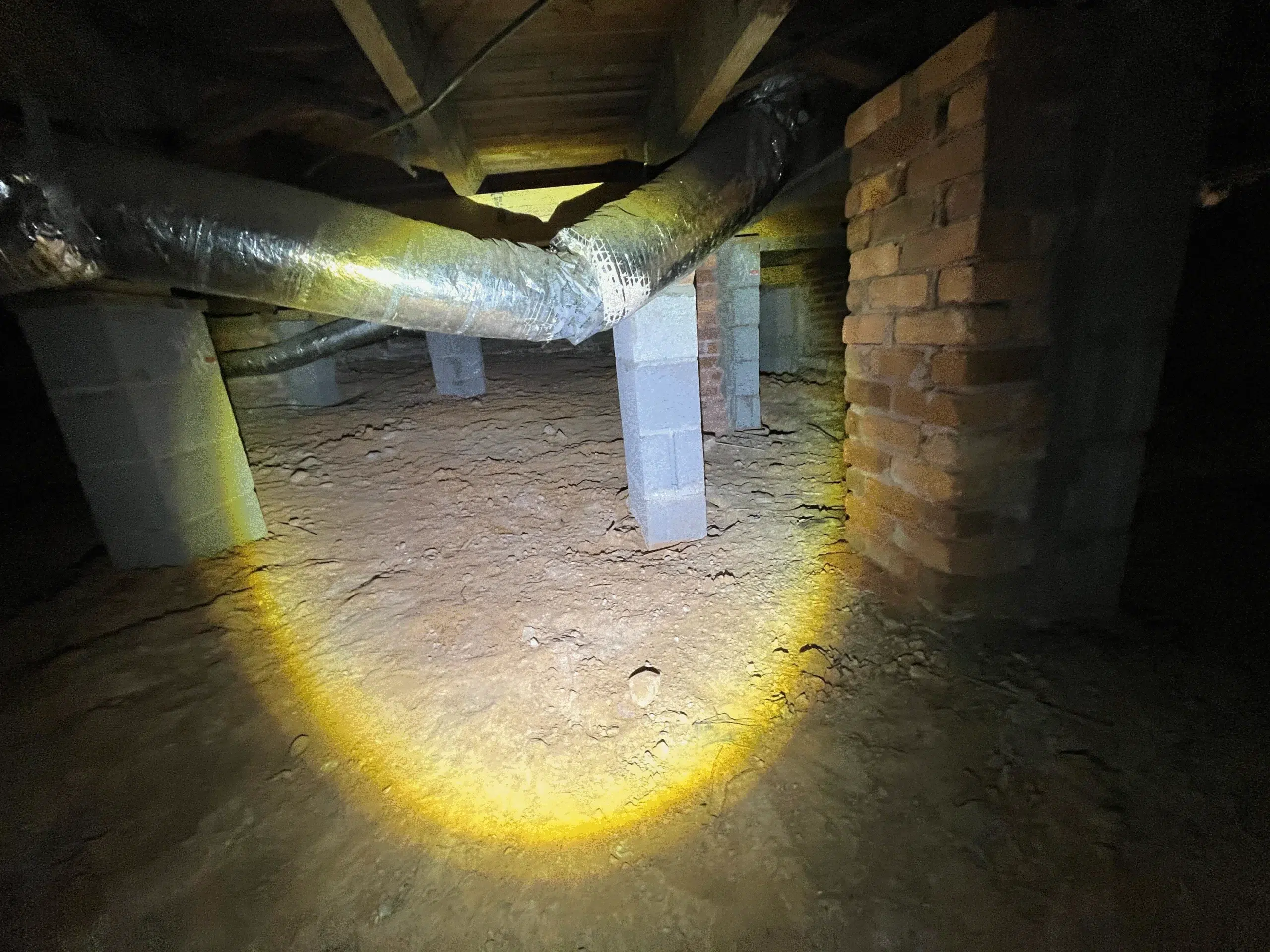
Attic and crawl space pests cause some of the most expensive and long-lasting damage because they remain hidden. These isolated, unmonitored zones provide wood-destroying insects and rodents with the absolute darkness, warmth, and moisture they require to multiply for months without detection.
Why Do Attics and Crawl Spaces Attract Pests?
Attics and crawl spaces attract pests because they offer shelter, stable temperatures, and minimal human activity. These areas provide ideal conditions for nesting and long-term survival.
Key reasons pests settle in these spaces include:
- Low human disturbance
- Stable structural temperatures year-round
- Unrestricted access through crawl space vents, foundation gaps, and utility openings
- Excess moisture evaporating from exposed soil, high humidity, or restricted ventilation
In Raleigh and surrounding areas, mild climate patterns allow pests to remain highly active year-round. Instead of dying off during colder months, invasive pests move deeper into the protected, insulated spaces of your home.
Why Do Pest Problems Often Start in Fall and Winter?
Many attic and crawl space infestations begin during cooler months when outdoor conditions become less favorable. Pests seek immediate warmth and protection, moving inward through your rim joists rather than leaving the property altogether.
Because these areas are rarely inspected by homeowners, satellite infestations grow quietly through fall and winter before exploding into plain sight during spring.
What Pests Are Commonly Found in Attics and Crawl Spaces in Raleigh Homes?
Several destructive species commonly establish themselves in these hidden areas before spreading elsewhere into your clean living spaces:
Rodents: Mice and rats rapidly nest inside attic insulation and crawl space voids. They chew through electrical wiring, ruin fiberglass batts with urine, and reproduce rapidly.
Cockroaches: Humid, unvented crawl spaces create ideal conditions for roaches, which easily migrate upward into kitchens and bathrooms through plumbing drops.
Ants: Many foraging ant species build satellite nests beneath homes and enter through microscopic foundation cracks once the primary colony expands.
Termites: Subterranean termites live in the soil and access structural wood framing directly through crawl spaces, often operating for years without visible early signs.
What Warning Signs Do Homeowners Often Miss?
Hidden pest activity rarely starts with loud, obvious clues. Subtle, localized indicators are almost always present long before insects or rodents step foot inside your main living rooms.
Common structural warning signs include:
- Faint rustling or scratching sounds behind drywall or ceilings at night
- Musty, stale odors or heavy, damp air venting from beneath the floorboards
- Soft, sagging, or uneven flooring along exterior walls
- Fecal droppings clustered near crawl space access points or HVAC vents
- A sudden, unexplained uptick in pest activity indoors
By the time a pest becomes visible inside your kitchen or bathroom, the primary source infestation is already heavily established beneath or above you.
Why Does Moisture Make Attic and Crawl Space Pests Worse?
Moisture is the single biggest factor driving hidden pest infestations. Poor perimeter drainage, heavy seasonal rainfall, clogged gutters, and inadequate crawl space ventilation all raise moisture levels around the home.
NC State Extension notes that excess moisture following heavy storms often pushes opportunistic pests directly into protected areas such as crawl spaces and attics. Once pests move into these enclosed spaces, they can remain active for long periods without detection.
This explains why serious wood-boring and foraging pest problems often surface weeks or even months after heavy Piedmont rainfall.
Why Do Inspections Matter More Than Most Homeowners Expect?
Most pest problems develop gradually, not suddenly. Environmental shifts, hidden moisture buildup, and hairline entry points create ideal conditions long before visible signs appear.
Because attics and crawl spaces are rarely checked, pests can remain active in these areas long before homeowners notice a problem. Research from the National Pest Management Association shows that excessive moisture across properties will spur early and increased pest activity, especially in enclosed spaces.
This is why infestations are often thoroughly entrenched by the time DIY action is taken.
How Do Professional Inspections Protect Your Home?
Professional inspections identify critical risk factors before infestations have a chance to spread into living spaces. At Triangle Pest Control, our attic and crawl space evaluations focus on the health of the entire structure, not just visible pests.
During an inspection, our team looks for:
- Active entry points, unsealed pipe penetrations, and structural gaps
- Standing water, wood moisture content levels, and ventilation restrictions
- Hidden nesting, tunneling, or primary colony activity
- Early signs of structural wood damage or rot
Identifying these issues early helps prevent incredibly costly foundation repairs and long-term property damage.
Where We See These Problems Most Often in the Triangle
Local geographic conditions heavily influence pest pressure across the Triangle region:
- Cary and Apex: Established homes featuring older, vented crawl spaces that collect high ambient summer humidity.
- Holly Springs and Fuquay-Varina: Rapid new construction zones where heavily disturbed soil disrupts native subterranean termite and ant colonies, forcing them toward new foundations.
- North Raleigh and Wake Forest: Homes situated near heavily wooded areas and mature tree canopies, which experience intense rodent and roof rat pressure.
Understanding these specific local risk factors helps our team guide more effective, heavy-hitting exclusion and prevention programs.
How to Reduce Risk Between Visits
| Action Step | Why It Protects Your Property |
| Seal foundation gaps | Physically blocks entry points with premium exclusion materials. |
| Improve perimeter drainage | Diverts groundwater away from structural timbers to eliminate moisture draw. |
| Keep crawl space vents clear | Improves vital cross-ventilation airflow to lower relative humidity. |
| Schedule annual inspections | Identifies hidden colonies before expensive, long-term damage occurs. |
These maintenance steps are most effective when paired with a comprehensive, professional pest control service program.
Final Takeaway: Hidden Pests Cause the Most Damage
Attic and crawl space pests cause expensive damage because they remain unseen. These unmonitored spaces give pests the time they need to spread, nest, and multiply completely without interruption.
Regular professional inspections help prevent attic and crawl space pests from causing costly structural damage to one of your most valuable investments.
Call by 3 PM for same-day service, and secure your home year-round with an uncompromising SafeHome protection plan.