
Property owners can proactively manage mosquito populations during unseasonable winter thaws by methodically reducing standing water, improving structural yard drainage, and limiting sheltered microclimates surrounding their foundation lines. Throughout the Carolinas, winter weather patterns are notoriously erratic. A brief stretch of mild, sunlit days immediately following seasonal rainfall can rapidly activate dormant, cold-resistant vector eggs left behind in the soil from the previous autumn cycle.
While this early-season vector activity rarely feels as intense as a mid-summer swarming surge, it establishes a dangerous reproductive baseline that exponentially increases adult populations once spring warmth becomes permanent. The critical takeaway for local homeowners is straightforward: your proactive winter prevention habits directly dictate how aggressive and unmanageable the initial spring vector pressure will become.
When Are Mosquitoes Most Likely to Emerge in Winter?
Biting mosquitoes are highly responsive to ambient temperature swings and are most likely to emerge on winter days when local temperatures rise above 50°F and stagnant environmental moisture is present. These exact conditions occur routinely across Raleigh, Cary, Apex, and Wake Forest during late January, February, and early March.
Localized vector activity accelerates sharply immediately following:
- Prolonged warm spells that arrive directly on the heels of heavy winter rains.
- Saturated turf zones, low-lying landscape pooling, or failing foundation drainage grids.
- Heavy leaf drift accumulations that trap moisture and insulate underlying topsoil.
Where Do Vectors Breed and Overwinter During the Colder Months?
Mosquitoes utilize highly protected, hidden outdoor structural zones that hold stagnant water and stay naturally insulated from freezing surface winds to survive the winter. Common regional winter vector breeding sites include:
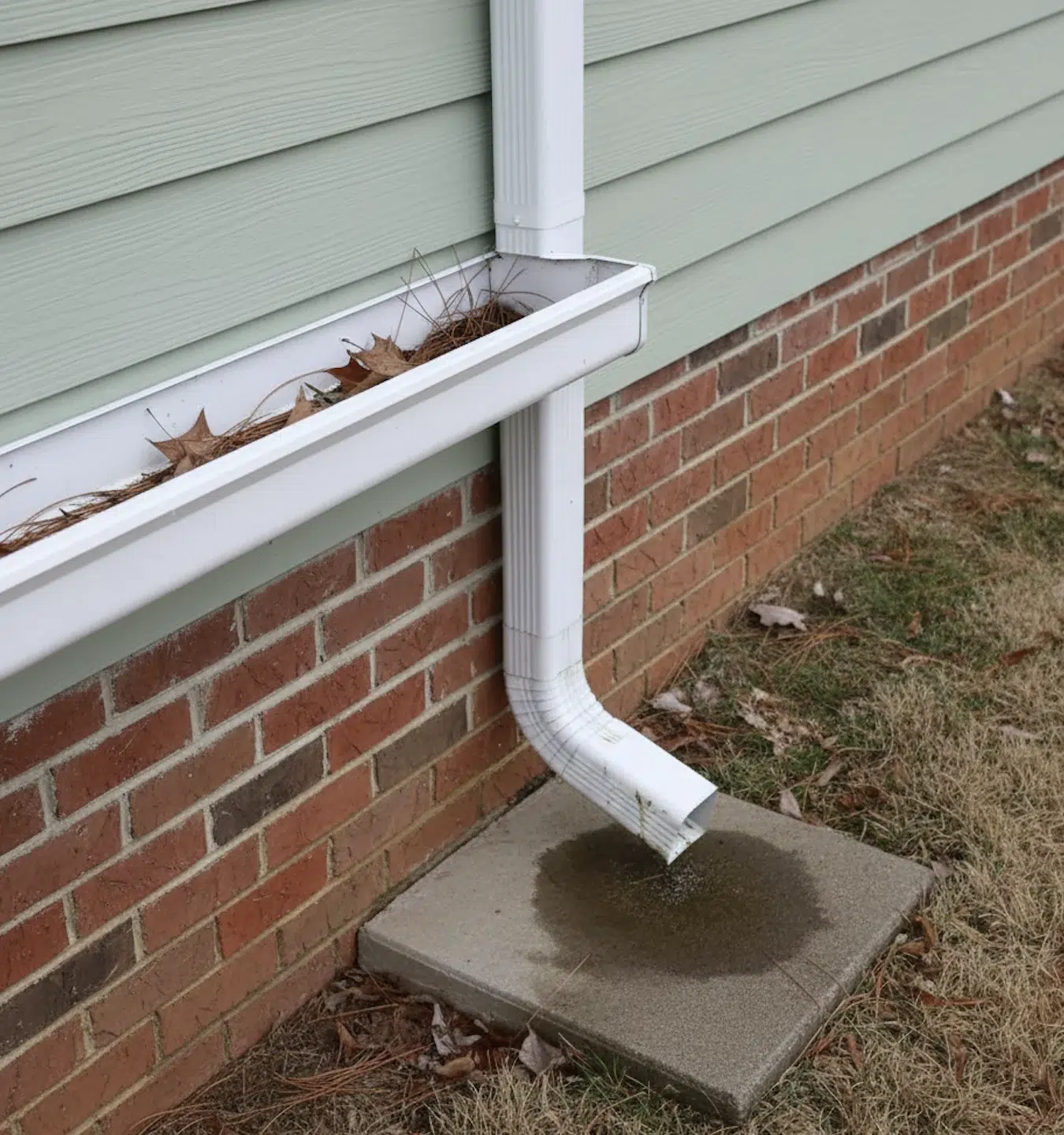
- Debris-choked gutter segments and blocked underground downspout lines.
- Neglected patio plant saucers, inverted tire wells, and unused garden containers.
- Depressed turf zones and grading ruts that collect rain or melting snow.
- Unvented crawl space entries, open utility vaults, and deeply shaded foundation alcoves.
These critical hotspots are routinely overlooked by property owners because active biting activity feels entirely non-existent during the coldest stretches of the winter months.
Actionable Strategies to Prevent Mosquitoes During Warm Winter Thaws
The single most effective method to prevent mosquitoes from experiencing an early-season population spike is systematically eliminating standing water reservoirs and reducing available overwintering adult shelters.
1. Execute a Rigorous Weekly Drainage Sweep
Stagnant water deposits allow cold-hardy egg clusters to maintain viability all winter, launching rapid hatch cycles the moment a regional warm front strikes. Property owners must routinely empty and dry:
- Open plastic buckets, construction tools, and children’s yard toys.
- Decorative pottery trays, birdbath liners, and drainage basins.
- Sagging tarps, boat covers, and outdoor equipment wraps.
2. Clear Out All Roof Gutters and Downspouts
Blocked roof gutters represent one of the most prevalent and high-density winter vector harborages across the Triangle. Rainwater trapped beneath dense, rotting mat lines of pine straw and decaying leaves stays significantly warmer than open ambient air, insulating and protecting fragile egg clusters from sub-freezing night drops.
3. Re-Engineer Depressed Yard Drainage Lines
Low-lying landscape pockets that remain saturated for multiple days following winter precipitation serve as primary incubators for early-season larvae. The winter season provides the ultimate window to identify these underlying grading liabilities and install gravel French drains or catch basins before thick spring turf growth covers the ground.
4. Prune Back Heavy, Overgrown Vegetation
While invasive Asian Tiger mosquitoes overwinter strictly as egg clusters, native Common House mosquitoes survive the winter as mature, fertilized adult females. They cluster inside dark, high-humidity shelters like thick ivy borders, untrimmed evergreen shrubs, and unmanaged brush piles. Pruning back dense canopy branches and removing heavy leaf drifts destroys these protective thermal microclimates. Guidance from the NC State Extension reinforces that strict water removal paired with targeted habitat modification is the definitive baseline for residential vector suppression.
Does Professional Mitigation Provide Value During the Winter?
Deploying professional preventative measures during the late winter months delivers immense structural value by suppressing initial population baselines before spring breeding cycles can explode. Our specialized winter protocols focus precisely on:
- Targeted larvicide placement inside permanent, low-lying drainage zones.
- Comprehensive property audits to map out hidden moisture vectors and structural faults.
- Disrupting early-season egg transitions to break up upcoming reproductive generations.
These sophisticated steps drastically thin out the total volume of breeding insects that manage to successfully transition into the peak summer months.
The Direct Connection Between Winter Prevention and Spring Comfort
Proactive winter habitat modification directly controls the intensity of your initial spring pest pressures. Consider this direct comparison model regarding perimeter management:
| Winter Protective Measures Applied | Resulting Spring Vector Pressures |
|---|---|
| Zero Proactive Prevention | Explosive, heavy early-season activity and immediate biting pressure. |
| Basic Surface Water Removal Only | Moderate activity; delayed but consistent regional pest buildup. |
| Comprehensive Professional Winter Prep | Significantly suppressed, delayed, and manageable spring activity. |
This baseline difference is exactly why vector management programs deliver the most reliable protection when initiated long before pests become visible in the open air.
Why Vector Suppression is Vital in the Carolinas
Due to our increasingly mild regional winter thaws, native and invasive mosquitoes across North Carolina can resume activity and vector dangerous pathogens—such as West Nile Virus and Encephalitis—much earlier in the calendar year than traditional property manuals suggest. Lowering available breeding volumes before spring arrives safeguards your outdoor spaces and insulates your household from severe vector-borne health liabilities later in the season.
When to Initiate Your Home’s Protective Shield
Homeowners should aggressively transition into preventative maintenance the moment unseasonable winter thaws become regular. Late winter represents the prime operational window to audit your property baseline for standing water and arrange expert mitigation services. Waiting until active adult swarms are visible around your back deck typically means complex, multi-generation breeding colonies have already established deep structural roots across the neighborhood.
Local Regional Pressures Across the Triangle Metro
Early-season mosquito activity is exceptionally common through the high-density residential sectors of Raleigh, Cary, Apex, and Wake Forest. Subdivisions bordered by mature hardwood canopies, municipal storm water retention basins, or aging culvert systems routinely face intense, early-season vector emergence that demands proactive management.
Arrange Professional Defense Before Spring Pressures Explode
Deploying a multi-tiered defense plan early stops rapid population growth before spring breeding cycles can surge out of reach. Protect your home and restore complete confidence in your landscape. Call the local team at Triangle Pest Control by 3 PM for same-day diagnostic service or schedule an intensive, professional property evaluation today!
Frequently Asked Questions (FAQs)
- Do mosquitoes genuinely manage to survive winter freezes in North Carolina? Yes. Invasive Asian Tiger mosquitoes overwinter as highly resilient egg clutches that survive deep freezes, while native Common House mosquitoes shelter as hibernating adult females inside dark, insulated crawl spaces and storm drains, emerging to feed during brief thaws above 50°F.
- Is professional late-winter vector mitigation secure for my pets and family? Absolutely. Professional larvicide and suppression protocols utilize highly targeted, target-specific biological agents that selectively intercept insect larvae without presenting any chemical or environmental hazards to children, domestic pets, or local wildlife.
- Can early winter prevention tactics completely eradicate mosquitoes from a yard? No. Total eradication is a biological impossibility due to wandering pests traveling from neighboring properties. However, implementing comprehensive winter mitigation drastically suppresses localized breeding loops and significantly delays peak summer pressure.