


As the weather gets colder, rodents like mice and rats look for a warm place to stay. They see your home as the perfect shelter from the cold. A rodent problem can start quickly and put your family at risk. We’ll show you why they move indoors and how to protect your home. Exclusion is the most effective way to keep rodents out for good by sealing entry points. For homeowners needing reliable rodent control in Raleigh NC, winter is the most important time to strengthen your home’s defenses.
What Rodents Are Seeking Inside Your Home
When temperatures drop, rodents have a powerful instinct to find a warmer place to live. They are driven by three basic survival needs. First, they need warmth to survive the cold. A heated home feels like a safe haven from freezing outdoor temperatures. Second, they need a reliable food source. Food becomes scarcer outside in the fall and winter, so they are naturally drawn to places with a steady supply. Finally, they need a safe place for shelter and nesting. Your attic, basement, and wall voids provide the perfect environment.
Mice and rats are also very different in their habits. A house mouse can squeeze through a hole the size of a dime. They are highly curious and explore every corner of a home. Norway rats are larger and prefer to stay on the ground level. They often burrow in crawl spaces or basements. Roof rats are excellent climbers. They are more likely to be found in attics, rafters, or along roofs. Knowing the type of rodent you have can help you find their entry points.
Common Signs of a Rodent Problem
Even before you see a rodent scurrying across a room, you can find evidence of their presence. Look for these signs around your home. The sooner you act, the easier it is to solve the problem. Droppings, gnaw marks, and greasy rub trails are among the most common early warning signs of a rodent infestation. According to the National Pest Management Association, dropping temperatures drive rodents inside in search of shelter, food, and water.
- Droppings: Small, dark pellets along baseboards or in cabinets. As the CDC explains, viruses from droppings and urine can become airborne and spread disease, making cleanup a serious health concern.
- Gnaw Marks: Chew marks on wires, food packaging, or wood. Gnawing on wires can cause short circuits and fire hazards.
- Nests: Piles of shredded paper, fabric, or insulation. This indicates they have found a safe place to breed and raise young.
How to Prevent a Rodent Infestation This Winter
The best way to stop a rodent problem is to prevent it from ever starting. You can do this by sealing entry points and removing their food and water. This is especially important in Raleigh’s mild climate, where rodents stay active all year. Every neighborhood has its vulnerabilities.
Seal Entry Points (Exclusion)
Rodents are incredibly flexible and can squeeze through surprisingly small openings. You must inspect your home’s exterior. Pay close attention to cracks in the foundation and gaps around utility lines, pipes, and vents. Exclusion is the process of sealing these spots with durable, rodent-proof materials like steel wool, wire mesh, or concrete. This is the single most effective way to protect your home.
Reduce Food and Water Sources
Rodents are always on the lookout for an easy meal. Unsecured food sources are a major attractant. To make your home less appealing, follow these simple steps:
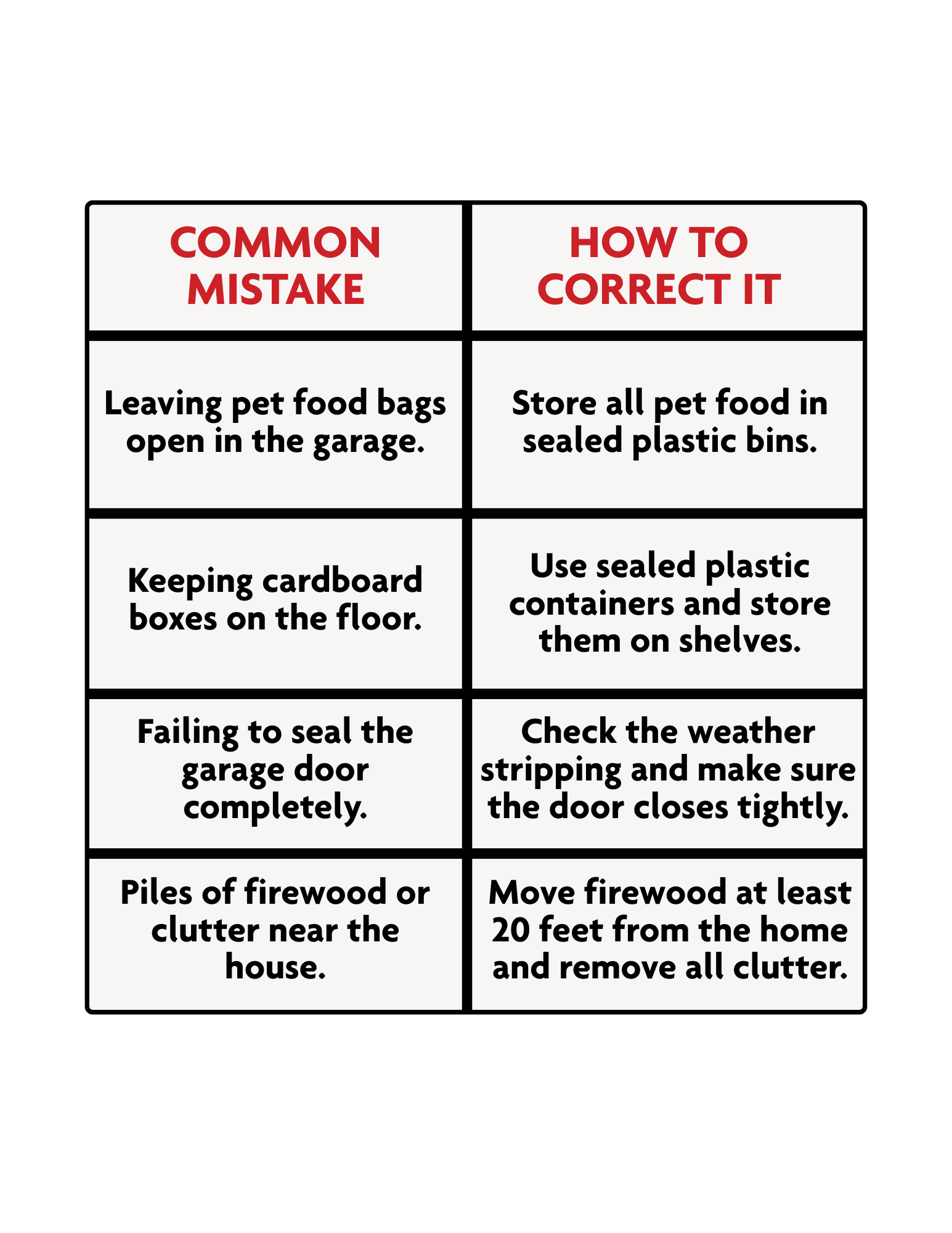
- Store all food, including pet food and bird seed, in sealed, airtight containers.
- Clean up all crumbs and spills immediately, especially in the kitchen.
- Secure trash cans with tight-fitting lids, both indoors and outdoors.
- Repair any leaky pipes or faucets and clear away any standing water.
- Do not leave pet food bowls or bird feeders out overnight.
This is especially true for families in neighborhoods like Amberly and Brier Creek, where garages are often large and can become a secondary food storage area.
Declutter Storage Areas
Cardboard boxes and piles of firewood provide perfect nesting sites. Use sealed plastic bins instead. The EPA advises removing clutter, sealing trash, and keeping storage tidy as key long-term steps to prevent rodents from settling in. This is especially true for attics, basements, and sheds, which often go undisturbed for long periods.
The Local Rodent Challenge in Raleigh
Raleigh’s climate rarely brings deep freezes. This means rodents remain active throughout the winter. Infestations are a constant threat. In older neighborhoods like Five Points and Cameron Village, homes often have older foundations and plumbing. This can create more entry points that need to be sealed. In newer developments in Brier Creek and Amberly, wide-open garages and vented attics can be common entryways. Every home has its own weak spots.
Why Professional Rodent Control in Raleigh NC Is Your Best Solution
Traps may catch one or two rodents, but they rarely stop an entire infestation. A professional inspection finds hidden nests and entry points that DIY methods often miss. Traps do not address the root of the problem. A professional pest control program is the most reliable way to keep rodents out for good.
Our exclusion services combine:
- A thorough inspection to locate all entry points.
- Professional exclusion works to seal gaps and cracks.
- Targeted treatments only when necessary to remove current infestations.
- Ongoing monitoring to confirm that your home remains rodent-free.
With Triangle Pest Control, you are not just reacting to rodents. You are preventing them from getting inside in the first place. Our Exclusion services are the foundation of long-term protection, and our professional rodent control in Raleigh NC services ensure your home stays protected all winter.
Call by 3:00 PM for same day service to stop rodents before they spread.
FAQs
What health risks do rodents pose?
Rodents spread diseases like salmonella and hantavirus. Their droppings and urine can also trigger asthma and allergies. According to the CDC, it is vital to clean up droppings and nests carefully, as they can aerosolize viruses.
How can I tell if rodents are in my crawlspace or attic?
Listen for scratching sounds at night, look for droppings, and check insulation for signs of nesting. A professional inspection is the most reliable way to uncover hidden activity.
Can rodents damage electrical systems?
Yes. Rodents must constantly gnaw to trim their teeth. They often chew on electrical wiring, which can cause short circuits and even house fires. Professional exclusion is the only way to prevent this risk by sealing rodents out of attics and walls.