


Early termite inspections in Raleigh help homeowners catch hidden activity before structural damage spreads. Termites cause billions of dollars in damage across the United States each year, impacting hundreds of thousands of homes. In areas like Raleigh, where warm temperatures and moisture allow termites to stay active, early detection is critical to limiting damage.
Homes in the Raleigh area face similar risks due to warm temperatures, moisture-retaining soil, and construction styles that allow termites to remain active for much of the year.
An early termite inspection helps catch activity before structural damage spreads, protecting both your home and your budget.
What Is an Early Termite Inspection?
An early termite inspection is a professional evaluation of your home focused on finding active termite activity, hidden damage, and conditions that attract termites before a visible problem appears.
Unlike inspections done after a swarm or sale requirement, early inspections are proactive. They are designed to prevent costly repairs instead of reacting to them.
In the Raleigh area, this matters more than many homeowners realize.
Why Termites Are a Costly Problem in Raleigh
Raleigh sits in a warm, humid climate that allows subterranean termites to remain active most of the year. According to NC State Extension, eastern subterranean termites remain active in North Carolina and often cause damage before homeowners notice visible signs.
Common local risk factors include:
- Clay soil that holds moisture
- Crawl spaces and slab foundations
- Older homes with wood-to-soil contact
- Spring rain followed by warm temperatures
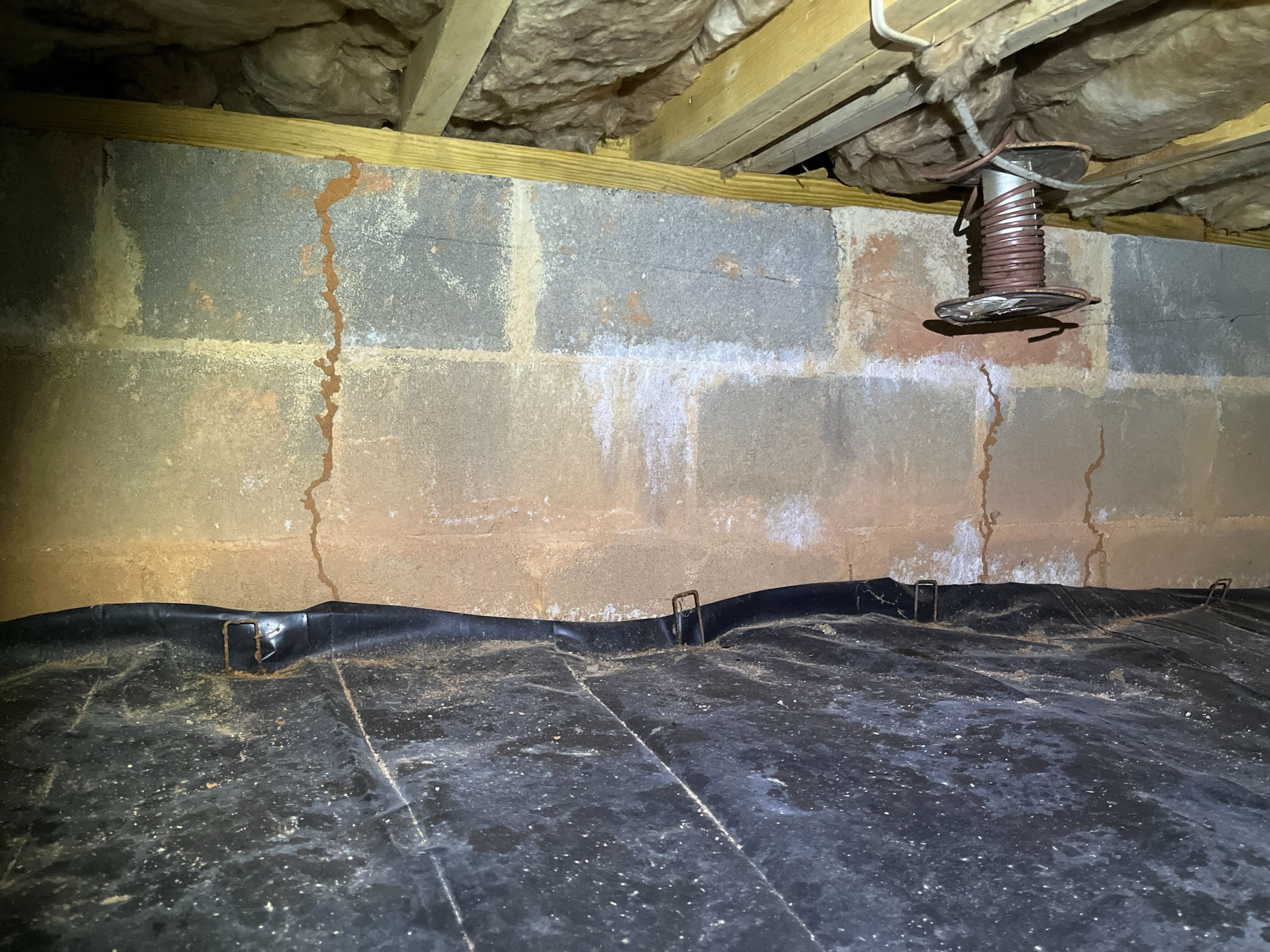
Since termites feed from the inside out, damage often goes unnoticed until it becomes expensive.
How Early Inspections Actually Save You Money
1. Repairs Cost Far More Than Inspections
A routine termite inspection costs a fraction of what structural repairs do. Replacing damaged sill plates, floor joists, or wall framing can quickly climb into the thousands.
Early inspections help homeowners avoid:
- Structural wood replacement
- Flooring and drywall repairs
- Moisture damage made worse by termite tunnels
Catching activity early keeps treatment simple and affordable.
2. Termite Damage Is Usually Not Covered by Insurance
Most homeowners are surprised to learn that termite damage is typically not covered by standard homeowners insurance policies.
An early inspection helps reduce financial exposure by stopping damage before it escalates.
3. Small Colonies Are Easier and Cheaper to Control
When termite colonies are caught early:
- Treatments are more targeted
- Less material is needed
- Structural repairs are often avoided
Once a colony spreads under a home, control becomes more complex and more expensive.
Signs Homeowners Often Miss
Many Raleigh homeowners wait for obvious signs, but termites rarely announce themselves early. According to the United States Environmental Protection Agency, termite infestations often go unnoticed until damage is already present, which is why early inspections matter.
Commonly missed warning signs include:
- Mud tubes along foundations or crawl space walls
- Soft or hollow-sounding wood
- Tight-fitting doors caused by hidden damage
- Small cracks where termites enter undisturbed areas
By the time swarmers appear indoors, damage is often already present.
When to Schedule Early Termite Inspections in Raleigh
Early termite inspections are especially important:
- Before peak swarm season in spring
- When purchasing or renovating a home
- If your home is 10 years old or older
- If moisture issues or drainage problems exist
Homes in neighborhoods like North Hills, Brier Creek, Five Points, and Cary Park often have soil and construction conditions that allow termites to stay hidden longer.
Early Inspection vs Waiting Too Long
|
Early Inspection |
Waiting for Visible Signs |
|
Lower treatment costs |
Higher repair bills |
|
Limited or no structural damage |
Structural damage likely |
|
Easier control options |
More invasive treatment |
|
Peace of mind |
Emergency decisions |
This difference is why proactive homeowners inspect early instead of reacting later.
How Triangle Pest Control Helps Protect Raleigh Homes
At Triangle Pest Control, our termite inspections are built around prevention. We focus on finding conditions that allow termites to thrive, not just visible insects.
Our approach includes:
- Thorough interior and exterior inspections
- Moisture and entry-point identification
- Clear recommendations without pressure
Early detection gives homeowners control instead of surprises.
Why Early Action Matters More Than Ever in 2026
As homes age and weather patterns become more unpredictable, termite pressure in the Raleigh area continues to rise. Search trends show homeowners are looking for prevention, not emergency repairs.
Early termite inspections align with smarter home ownership:
- Lower long-term costs
- Fewer surprises
- Stronger resale confidence
Waiting costs more. Planning saves money.
Frequently Asked Questions
-
How often should Raleigh homeowners get a termite inspection? Once per year is recommended, especially for homes with crawl spaces or moisture concerns. Homes with past activity may need more frequent monitoring.
-
Are termite inspections really necessary if I do not see termites? Yes. Termites cause damage quietly. Most infestations are discovered long after they begin.
-
What is the best time of year for a termite inspection? Late winter through early spring is ideal, before swarm season and increased activity.
-
Can ongoing termite protection help reduce long-term repair costs? Yes. Ongoing protection helps limit damage by catching activity early and maintaining conditions that discourage termites from settling near the home. Preventing infestations or detecting them sooner can significantly reduce the likelihood of costly structural repairs over time.
-
How long does a termite inspection usually take? Most termite inspections take 45 minutes to an hour, depending on the size of the home and accessibility of areas like crawl spaces or attics. The inspection is non-invasive and does not require homeowners to prepare or move furniture in most cases.
Protect your investment before termites cost you thousands.