
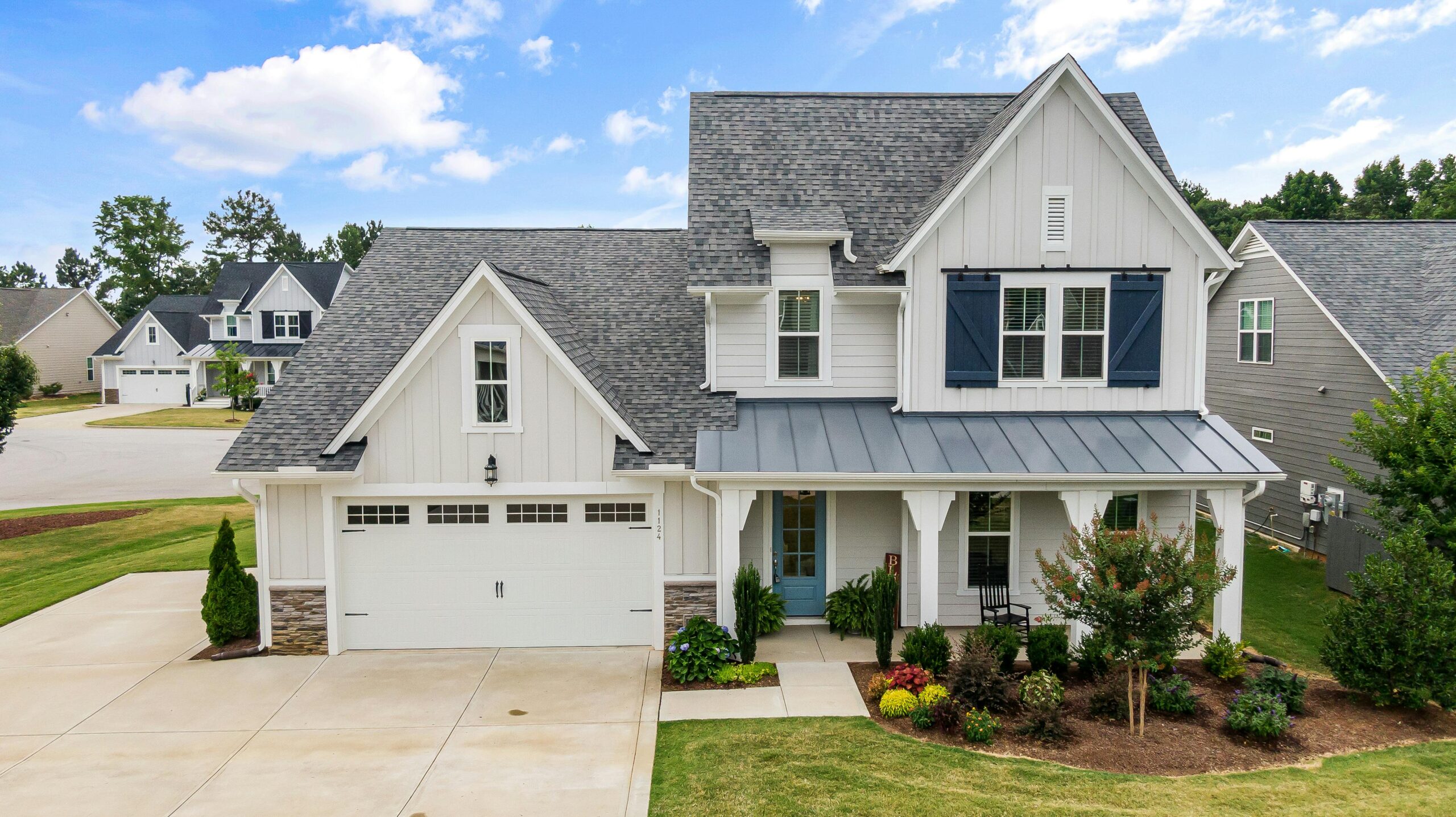
Early termite inspections in Raleigh help homeowners catch hidden activity before structural damage spreads. Wood-destroying insects generate billions of dollars in property destruction across the United States each year, impacting hundreds of thousands of residential structures. Across areas like the Triangle, where mild regional temperatures and abundant soil moisture allow subterranean colonies to remain active year-round, early detection is absolutely critical to limiting long-term damage.
Homes across the Raleigh area face persistent environmental pressures due to warm thaws, moisture-retaining clay soils, and classic regional construction styles that permit termites to tunnel unhindered for much of the year. Investing in a proactive, early termite inspection helps catch active colonies before structural framing is compromised, decisively safeguarding your property asset and your family budget.
What Is an Early Termite Inspection?
An early termite inspection is a detailed, professional diagnostic evaluation of your home focused entirely on locating active subterranean colonies, mapping hidden timber decay, and identifying localized moisture liabilities before any visible structural symptoms materialize on your drywall or baseboards.
Unlike standard real estate clearances performed solely to satisfy closing mandates or assessments scheduled in a panic after a spring swarm occurs indoors, early inspections are entirely preventative. They are explicitly engineered to completely avoid catastrophic wood repair bills rather than simply reacting to structural failures after they happen.
Across the greater Raleigh market, this proactive measure carries a far heavier impact on home preservation than most property owners realize.
Why Termites Are an Expensive Hazard in Raleigh
Raleigh sits situated within a warm, humid subtropical climate band that permits subterranean termite workers to tunnel and feed almost entirely uninterrupted twelve months a year. According to biological research from the NC State Extension, eastern subterranean termites operate deep inside wood framing long before property owners ever notice a single outward indicator of an infestation.
Common local risk factors accelerating infestation rates include:
- Dense, native clay soils that lock in high concentrations of groundwater against foundations.
- Traditional crawl space foundations and low-clearance concrete slab designs.
- Established residential properties featuring direct wood-to-soil landscape contact.
- Heavy spring rainfall immediately followed by rapid, unseasonable warming spells.
Because subterranean termites hollow out lumber from the interior core outward, severe structural collapse can occur behind your walls completely unnoticed until the damage requires major reconstruction.
How Early Inspections Safeguard Your Financial Equity
1. Specialized Structural Repair Costs Eclipse Maintenance Fees
A routine, professional foundation evaluation costs a microscopic fraction of what major structural framing replacement demands. Rebuilding compromised sill plates, replacing sagging sub-floor joists, or sistering damaged load-bearing wall frames can effortlessly climb into thousands of dollars in emergency contractor labor. Intercepting a colony early keeps your treatment plan targeted, straightforward, and affordable.
Proactive evaluations help property owners completely avoid:
- Extensive structural timber extraction and framing reinforcement.
- Widespread cosmetic drywall replacement and finished flooring remediation.
- Severe secondary moisture retention and wood rot accelerated by active termite galleries.
2. Termite Destruction is Excluded from Homeowners Insurance
Many local property owners are shocked to discover that standard homeowners insurance policies explicitly exclude coverage for insect-related structural damage. Insurance entities categorize termite infestations as preventable maintenance liabilities rather than sudden disasters. A certified early evaluation drastically reduces your out-of-pocket financial exposure by catching colonies before they inflict permanent harm.
3. Juvenile, Low-Acreage Colonies Are Simpler to Neutralize
When exploratory termite pathways are identified early, localized treatments require significantly less product volume, utilize highly targeted delivery arrays, and prevent the need for broad structural tearing. The moment an unmanaged parent colony establishes multiple foraging trails beneath a home, remediation becomes increasingly invasive, complex, and costly to execute.
Subtle Structural Indicators Homeowners Regularly Miss
Many homeowners assume their properties are safe as long as they don’t see insects flying inside, but subterranean termites rarely expose themselves on the surface. According to the United States Environmental Protection Agency (EPA), core infestations routinely remain hidden for years until structural integrity fails, which is why independent verification matters.
Commonly overlooked warning signs include:
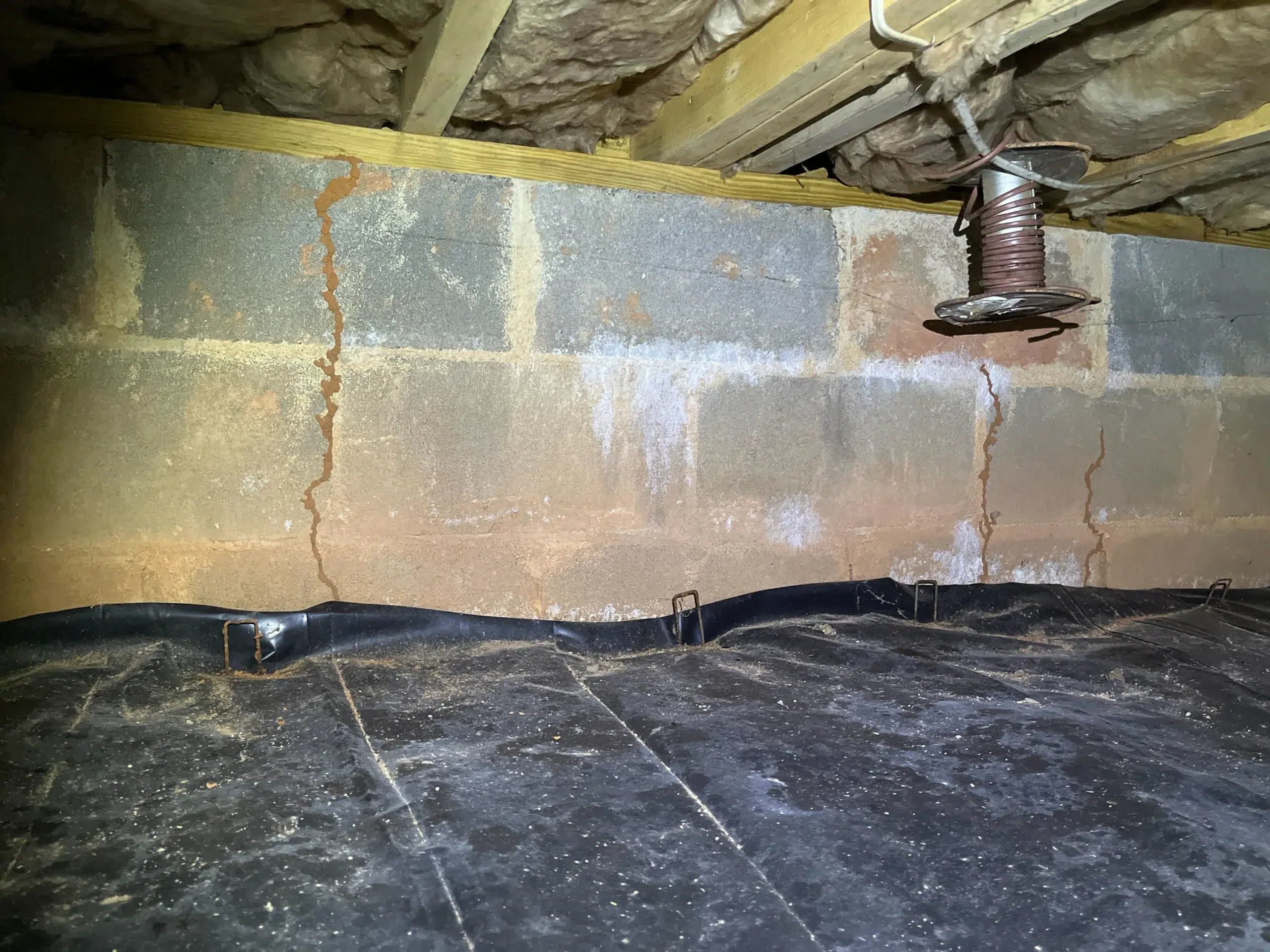
- Fine mud shelter tubes scaling exterior foundation brickwork or concrete crawl space piers.
- Blistered, buckled, or hollow-sounding baseboards and structural trim elements.
- Windows or exterior doors that suddenly fit too tightly in their frames due to shifting wood.
- Hairline entry cracks in masonry block walls where worker termites travel undisturbed.
By the time winged reproductive swarmers emerge inside your living areas, an established colony has likely been feeding on your structural timbers for months.
When to Schedule an Early Termite Evaluation in Raleigh
Arranging a professional foundation audit is especially urgent under the following conditions:
- In late winter or early spring, safely ahead of the peak regional swarming window.
- Prior to executing a real estate closing or starting a major home renovation project.
- The moment your home’s construction timeline crosses the ten-year milestone.
- If you are currently managing active crawl space humidity or soil drainage faults.
Residential properties situated throughout established Triangle communities like North Hills, Brier Creek, Five Points, and Cary Park feature architectural designs and soil balances that allow traveling colonies to remain masked for long stretches of time.
Proactive Evaluation vs. Reactive Crisis Management
| Proactive Early Inspection | Waiting for Visible Damage |
|---|---|
| Minimized, cost-effective treatment footprints. | Astronomical structural framing and reconstruction bills. |
| Zero or completely negligible structural timber loss. | Deeply entrenched framing failures are highly probable. |
| Simple, low-impact preventative barrier systems. | Highly invasive soil trenching and interior drilling protocols. |
| Total confidence in your property’s underlying strength. | High-stress emergency remediation choices. |
How Triangle Pest Control Safeguards the Triangle
At Triangle Pest Control, our technical protocols focus entirely on comprehensive prevention. We analyze your entire property layout to diagnose hidden micro-climates that favor wood-boring insects long before they can breach your threshold. Our advanced methodology delivers rigorous interior and crawl space inspections, precise moisture-content mapping, and transparent, pressure-free recommendations. Early detection puts total control back into your hands, ensuring your home value remains secure.
Why Proactive Action Matters More Than Ever
As properties mature and regional climate patterns yield volatile shifts in soil moisture, local termite pressure across the capital area continues to climb. Modern search data proves that savvy homeowners are aggressively moving away from emergency fixes in favor of permanent prevention barriers. Choosing an early inspection means investing in lower multi-year maintenance costs, removing structural surprises, and ensuring total confidence when it comes time to sell your home. Waiting damages your equity; proper planning secures your peace of mind.
Frequently Asked Questions
- How frequently should a Raleigh property receive a professional termite check? A certified structural evaluation is strongly recommended at least once a year. Annual audits are particularly critical for properties built over vented crawl spaces or managing high foundation humidity.
- Is an inspection truly necessary if I haven’t noticed any active bugs? Absolutely. Subterranean termites eat through wood silently from the inside out, causing severe structural compromise behind your drywall long before any surface indicators appear.
- What is the absolute best seasonal window to arrange an inspection? Late winter through the early dawn of spring is the ideal window. This allows technicians to locate and neutralize foraging trails before peak swarming season launches.
- Can establishing an active protection plan limit my long-term repair exposure? Yes. Maintaining an active monitoring and preventative treatment program catches traveling colonies at the property line, stopping them completely before they ever touch your mud sills.
- How much time does a certified termite audit usually require? The typical comprehensive inspection requires roughly 45 minutes to an hour to execute properly, depending directly on your property’s total square footage and crawl space accessibility. The entire diagnostic process is entirely non-invasive.
Protect your lifetime real estate investment before hidden colonies generate thousands of dollars in structural decay. Contact our local team today to secure your property!