


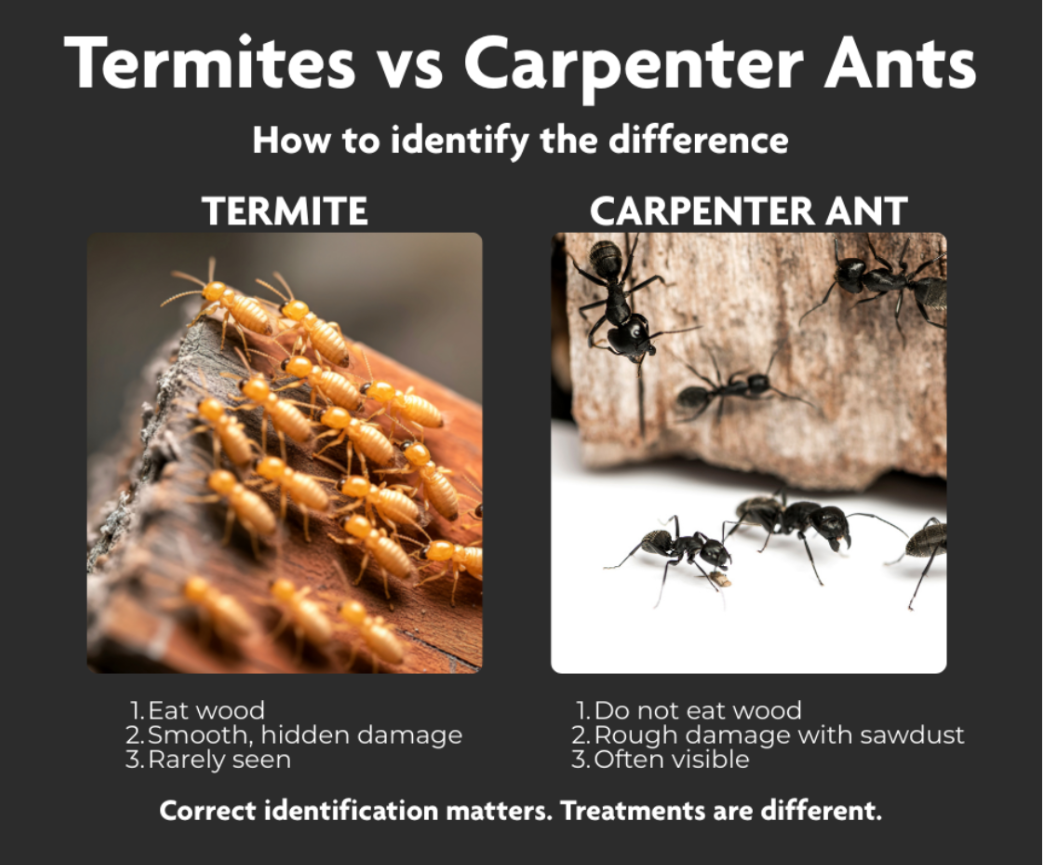
Termites eat wood and weaken a home’s structure, while carpenter ants hollow out wood to build nests without eating it.
Telling these pests apart early prevents costly structural repairs and ensures the correct treatment is used. Knowing which pest is present determines how quickly damage spreads and how it must be addressed.
What Is the Difference Between Termites and Carpenter Ants?
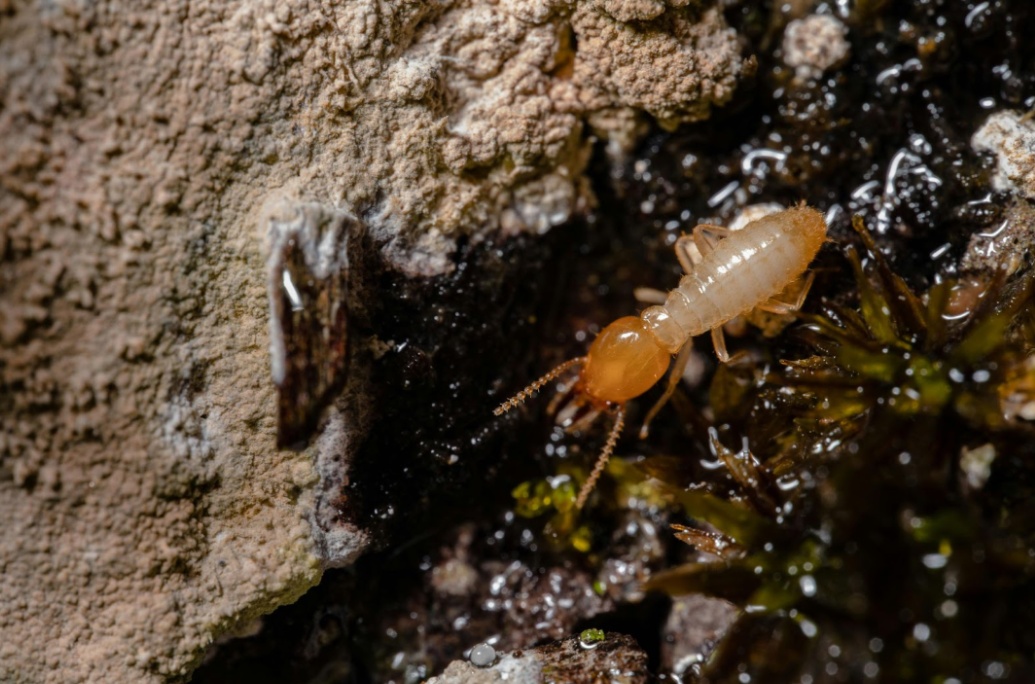
Termites are pale or light brown, soft-bodied insects that live underground or inside wood. They are rarely seen outside of swarm events or damaged areas.
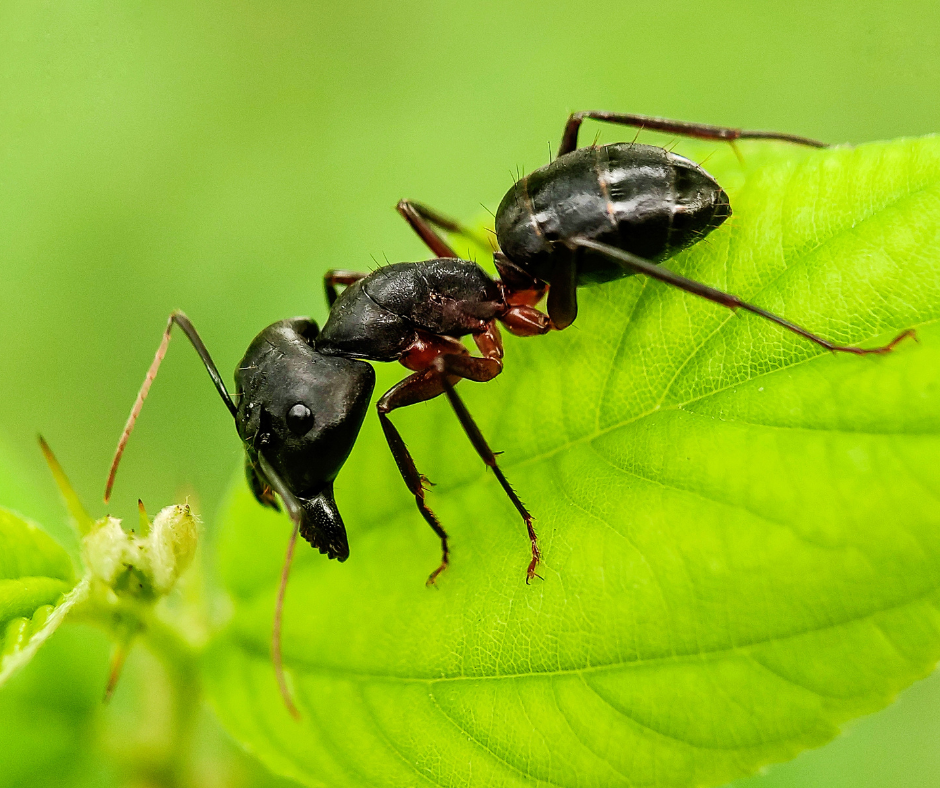
Carpenter ants are larger, typically black or dark red, and are often seen moving along walls, baseboards, or wood structures inside a home.
Termites cause hidden structural damage by consuming wood from the inside out. Carpenter ants weaken wood by hollowing it out for nests, usually in areas affected by moisture or prior damage.
Which Causes More Damage: Termites or Carpenter Ants?
Termites cause more damage because they destroy wood continuously and compromise structural components.
A single termite colony can damage floor joists, sill plates, and wall framing without visible warning signs. Carpenter ant damage usually spreads more slowly and is often noticed sooner because the ants are visible and active indoors.
Termite damage is smooth and hidden inside wood, while carpenter ant damage looks rough and leaves sawdust behind.
Termites eat along the grain of the wood and leave thin outer layers intact. Carpenter ants chew wood fibers outward and leave small piles of wood shavings called frass near the damaged area.
How Can You Tell If Damage Is From Termites or Carpenter Ants?
| Sign | Termite Damage | Carpenter Ant Damage |
| Wood appearance | Smooth, hollowed | Rough, shredded |
| Debris present | None | Sawdust or frass |
| Location | Hidden inside wood | Near damaged areas |
| Sound | Silent | Rustling possible |
| Insects visible | Rarely | Common |
Are Termites and Ants the Same Thing?
No, termites and ants are completely different insects and are not closely related.
Termites are more closely related to cockroaches, while ants belong to the same insect group as bees and wasps. Because they are different insects, they require different inspection and treatment methods.
Do Termites and Ants Fight Each Other?
Yes, ants and termites are natural enemies and often attack each other when colonies overlap.
Ants may prey on termites, but this does not protect a home from termite damage. Both pests can be present on the same property at different times or in different areas.
What Are the Signs of Termite Damage?
Termite damage is often hidden and discovered only after it becomes serious.
Common signs include:
- Mud tubes on foundations or crawl space walls
- Hollow or soft-sounding wood
- Discarded wings near windows or doors
- Doors or floors that warp or sag
What Are the Signs of Carpenter Ant Damage?
Carpenter ant activity is usually easier to spot because the insects are visible.
Common signs include:
- Large black or red ants indoors
- Small piles of sawdust or wood shavings
- Rustling sounds inside walls
According to North Carolina State Extension, carpenter ants are strongly attracted to damp or previously damaged wood, which is why moisture problems often appear near infestation sites.
Can You Treat Termites and Carpenter Ants the Same Way?
No, termites and carpenter ants require completely different treatments.
Termite control focuses on eliminating the colony through soil treatments or baiting systems. Carpenter ant control requires locating nests and correcting moisture problems that attract them.
Why Does Early Identification Matter Before Damage Starts?
Early identification stops minor wood damage from becoming major structural repairs.
In North Carolina, mild winters allow termites and carpenter ants to remain active for much of the year. According to guidance from North Carolina State Extension, eastern subterranean termite activity often goes undetected until significant structural damage has already occurred. Professional inspections catch hidden activity before damage spreads into structural areas.
When Should You Schedule a Professional Inspection?
Schedule a professional inspection as soon as you notice unexplained wood damage, swarmers, discarded wings, or ongoing ant activity near wood.
Why Acting Early Matters
Correct identification determines the right treatment. Delaying an inspection can allow hidden damage to spread and increase repair costs.
Unsure which pest you’re dealing with?
A professional inspection provides clear answers so action can be taken before damage becomes structural.
FAQs
- Are ants and termites related? No, ants and termites are different insects and are not closely related.
- Can carpenter ants turn into termites? No, carpenter ants and termites are separate species and cannot turn into one another.
- Do carpenter ants mean I have termites? Not always, but both pests are attracted to moisture and damaged wood. An inspection is the only way to know for sure.
- How can I tell if I have termites or carpenter ants without seeing the insects? You can often tell by the type of wood damage, since termites leave smooth, hidden tunnels while carpenter ants leave rough damage with sawdust nearby. A professional inspection is the only reliable way to confirm which pest is present.
- Are termites or carpenter ants more active during certain seasons? Both termites and carpenter ants can remain active year-round in mild climates, especially inside homes. Seasonal changes may increase visibility, but activity often continues even when insects are not seen.
Final Takeaway
Termites eat wood and cause structural damage. Carpenter ants remove wood to build nests. Telling them apart early is the key to preventing costly repairs.
Protect your home year round with a SafeHome Premier plan. Schedule an inspection today.