
Warm February pest activity across North Carolina can increase inside homes during unseasonably mild weather. Many persistent insect and rodent species respond directly to ambient ambient temperature shifts rather than the calendar. When daytime highs rise above typical winter thresholds, hidden pests rapidly resume movement, looking for water and food deeper inside your home’s perimeter.
This biological reaction is precisely why homeowners in Charlotte and surrounding communities frequently discover marching columns of bugs weeks before the spring calendar officially begins.
Why Warm February Pest Activity Increases Across North Carolina
Pests do not magically vanish during the winter months—they simply reduce their activity. According to data verified by the NC State Extension, many common household pests successfully survive the winter season by sheltering inside protective buffers like soil layers, damp mulch, wall voids, insulated crawl spaces, and attics. The moment micro-climates become favorable, these hidden colonies move from their structural hiding spots straight into your clean living spaces in search of critical resources.
Late-winter warm spells act as a powerful environmental signal that conditions can support foraging and colony expansion. This movement naturally directs foraging lines straight toward residential structures, where interior temperatures remain completely stable and food sources are readily accessible. This surge in insect activity can easily trigger in mid-February, even if a severe cold snap returns shortly afterward.
Which Pests Become More Active During Warm February Weather
Unseasonable winter warm spells do not create brand-new pest problems; rather, they instantly expose deep-seated, hidden infestations that are already active inside your perimeter. Anticipating these specific invaders lets you intercept them early:
Ants: Foraging ants are almost always the very first indicator of a late-winter thaw. Subterranean nests situated right along your foundation line respond immediately to rising soil temperatures, prompting workers to stream indoors through hairline masonry cracks and expansion joints in search of kitchen moisture.
Spiders: Predatory spiders become significantly more visible across basements, garages, and baseboards during a warm flash. They are simply tracking and hunting the active winter insect lines that have already begun traveling through your home’s framing.
Cockroaches: While cockroaches can remain hidden indoors year-round, unseasonable warmth drastically increases their foraging range and breeding speed. You will notice them exploring kitchens, laundry rooms, and utility lines with greater frequency.
Subterranean Termites: Termites do not enter a winter hibernation cycle. Subterranean workers continue chewing cellulose underground beneath the frost line straight through the coldest months. Warm winter afternoons can trigger early tunnel movement near crawl space piers weeks before the official spring swarming rush. According to the NC State Extension, subterranean termite colonies across North Carolina frequently launch early reproductive swarms on unseasonably warm winter days immediately following rain. Discovering a swarm indoors is an immediate indicator of an active structural infestation.
| Invading Species | Why February Activity Surges | What the Sighting Signals |
|---|---|---|
| Ants | Rising ground temperatures prompt immediate scout foraging. | An established parent nest is operating directly against the foundation. |
| Spiders | Nesting arachnids emerge from wall voids to hunt. | A larger, unmanaged insect population is active inside your home. |
| Cockroaches | Ambient heat expands their structural foraging perimeters. | A deep-seated, hidden breeding problem requires professional intervention. |
| Termites | Unseasonable thaws drive worker movement up mud tubes. | Active wood-destroying insects are currently touching structural timbers. |
This structural overview highlights why property owners must take late-winter insect sightings seriously rather than dismissing them as a temporary fluke.
Why February Pest Activity Matters for Homeowners
Discovering active pests inside during February acts as a vital early warning system for your home. When foraging insects appear before the spring rush, it means automated satellite nests are already securely established right along your structure. The moment regional temperatures permanently stabilize in March and April, those underlying populations will multiply exponentially, turning an occasional sighting into a persistent indoor nightmare.
Properties built over traditional vented crawl spaces, homes with underlying structural moisture issues, older foundations, or properties featuring dense, overgrown landscaping borders are exceptionally vulnerable during late-winter warm flashes. Neutralizing these moving columns early is infinitely easier and more cost-effective than attempting to remediate a widespread, fully entrenched infestation later in the year.
Why Some Homes Experience More Pest Activity Than Others
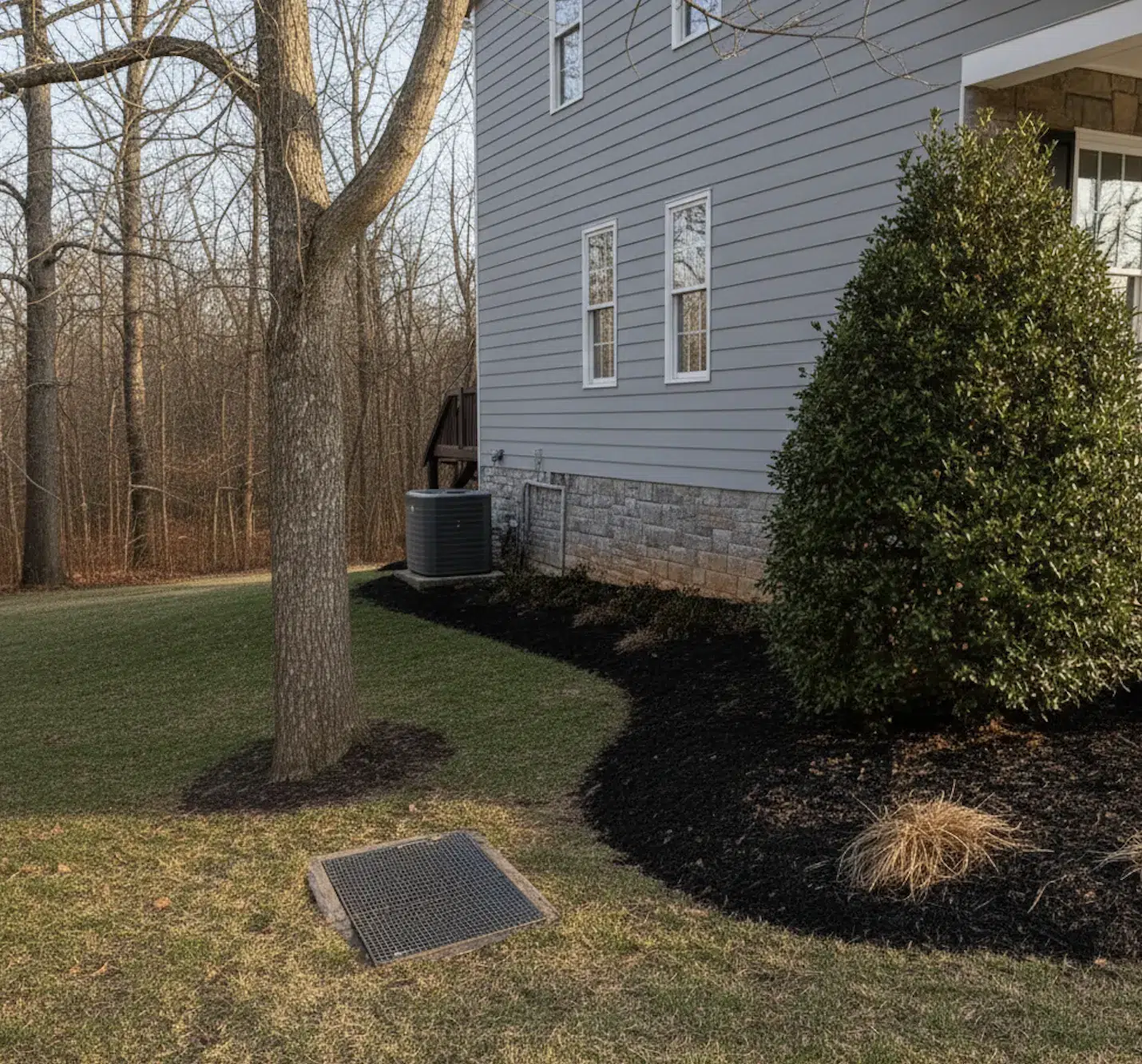
Not every residential property experiences identical pest pressure during a warm winter spell. Structures are at a significantly higher risk for early invasions if groundwater collects near the foundation line, organic wood mulch is piled directly against exterior siding, or unsealed utility openings provide low-resistance entry paths. Furthermore, established neighborhoods featuring mature tree canopies and closely spaced lots experience heightened pressure because pests can effortlessly travel between adjacent properties. Securing a professional assessment is the most dependable way to identify exactly why one structure faces heavy pressure while nearby properties remain unaffected.
What Homeowners Can Do When Pests Appear Before Spring
When unexpected pest trails emerge during a February thaw, your primary objective is to physically restrict access and limit colony expansion. Caulking visible window gaps, drying out damp sub-floors, and keeping kitchen pantries tightly sealed will help limit surface movement. However, basic DIY tactics rarely touch the hidden, underground nesting centers where the problem originates. Advanced professional inspections look beyond where the insects are seen, tracking them back to their primary source to stop spring infestations before they escalate.
How Triangle Pest Control Eliminates Late-Winter Risk
At Triangle Pest Control, we focus on deploying heavy-hitting, proactive protection, completely bypassing seasonal guesswork. Our specialized late-winter services target the exact structural entry points, moisture vectors, and insulated nesting zones that allow pests to migrate inside during a brief winter thaw. By establishing a robust, non-repellent barrier around your foundation early, we completely freeze spring population spikes before they ever have a chance to materialize.
Reclaim total control over your property and secure complete peace of mind. Call by 3 PM for same-day service, arrange your expert home evaluation, and protect your equity year-round with our comprehensive SafeHome protection plans.
Frequently Asked Questions
- Can a brief warm spell in February really trigger indoor pest problems? Absolutely. Insects are completely dependent on external temperatures for energy. Even a short 48-hour spike above 50°F will trigger overwintering colonies to wake up and begin foraging inside your warm wall voids.
- Is it common to discover active ant trails during February in North Carolina? Yes. Discovering ant trails along baseboards in February is a strong biological indicator that an active nest is situated right against your home’s foundation and is responding early to rising soil humidity.
- Should I arrange a pest control service before spring officially hits? Yes. Late winter is arguably the single most effective window of the year to apply preventative treatments. It lets you neutralize active colonies while their population counts are still at their lowest seasonal baseline.