
Deploying a comprehensive, proactive strategy to manage regional insect and mammalian migrations provides North Carolina homeowners with an invaluable month-by-month roadmap. This structured framework isolates structural vulnerabilities before seasonal shifts can destabilize your perimeter, preventing costly framing decay, health risks, and the need for emergency chemical cleanouts. Our state’s humid subtropical climate and lengthy warm seasons create unique, overlapping vector pressures that demand continuous, year-round preventive pest management rather than short-lived, reactive spot-treatments. This systematic guide breaks down exactly when specific species emerge across our diverse terrain and outlines the tactical steps necessary to sustain long-term population suppression in every season.
Understanding North Carolina’s Year-Round Pest Activity Patterns
Our local real estate investments face completely separate environmental pressures as barometric lines shift. To safeguard your property equity, prioritize these immediate operational focus areas:
Immediate Priority Maintenance Zones:
- Foundation brick sills, expansion joints, and exterior masonry fascia lines vulnerable to tunneling columns.
- Active sub-floor moisture conduits, including slow pipe drips, clogged gutter drains, and unventilated crawl spaces.
- Primary indoor food storage areas where minor food debris or unsealed dry goods draw in traveling scouts.
- High-level attic flooring, soffit intersections, and structural wall voids favored by overwintering rodents.
- Backyard landscape elements, dense mulching beds, and overhanging tree canopy branches resting within ten feet of your siding.
Critical Biological Indicators Demanding Prompt Action:
- Live insect tracking or trailing along baseboards during daylight hours, signaling highly established parent nests behind the drywall.
- Cosmetic blemishes, paint blistering, or wood crumbling that indicates deep cellulose degradation.
- Pungent, musty odors emitting from wall voids or utility chases, suggesting hidden nesting zones.
- The concurrent presence of multiple pest classes, indicating a widespread breakdown in your exterior structural shields.
Complete Guide to North Carolina Pests: Monthly Prevention Schedule
Adopting this organized, calendar-driven framework enables you to intercept traveling vectors during their natural biological migrations, keeping your home secure through every change in the weather.
January–February: Winter Foundation Setting (2–3 Hours Monthly)
The coldest months of the year provide a strategic window to establish permanent physical barriers and eliminate the specific thermal tracking lines that draw field rodents and silverfish indoors during brief winter thaws.
- Tactical Operational Steps: Meticulously audit your exterior foundation plates. Seal all hairline cracks and utility penetrations using commercial-grade elastomeric sealants or copper wire cloth. Inspect crawl spaces for condensation buildup and maintain running dehumidifiers to keep relative humidity below the 50% threshold.
- Essential Material Toolset: Electronic moisture meter, expandable polyurethane foam, heavy-duty weatherstripping, professional caulk gun, high-intensity LED flashlight.
- Visual Alarms to Document: Spindle-shaped rodent droppings in dark utility zones, fine gnaw marks along storage boxes, and water rings indicating active subsurface plumbing leaks.
March–April: Spring Activation Barriers (3–4 Hours Monthly)
As local topsoil temperatures cross the critical 60°F benchmark, dormant colonies awaken from winter suppression, initiating intensive reproductive cycles that quickly lead to summer swarms if left unmanaged.
- Tactical Operational Steps: Execute a comprehensive ground-level perimeter audit, closing off any entry track measuring greater than 1/4 inch. Clean out winter leaf debris from gutter trunks to stop standing water from attracting early mosquitoes. Establish a rigid 3-foot clearance gap between foundation walls and decorative shrubs, and trim overhanging limbs away from your roofline. Apply non-repellent granular barriers around your foundation, and arrange your annual professional termite checkup.
- Frequent Homeowner Management Errors: Waiting for a massive visual swarm to manifest before applying exterior treatments, and overlooking tiny moisture collectors like flowerpot trays.
May–June: Peak Activity Infrastructure Hardening (4–5 Hours Monthly)
The transition into hot, highly humid summer conditions creates an exceptional incubator environment for stinging insects, crawling colonies, and foraging garden pests.
- Tactical Operational Steps: Install heavy-duty commercial door sweeps and repair fine window screens before rising heat patterns drive flying insects toward your home’s air-conditioned spaces. Initiate weekly diagnostic sweeps across kitchens and bathrooms, and apply food-grade diatomaceous earth into dry wall voids. Begin your routine exterior perimeter treatments using target-specific, EPA-registered barrier formulas.
- Time-Sensitive Operational Milestone: Complete all physical home-hardening tasks before regional outdoor heat profiles consistently pass 85°F in mid-June.
July–August: High-Summer Pressure Suppression (2–3 Hours Monthly)
Intense summer thaws combined with sudden afternoon thunderstorms generate intense structural migration pressures, forcing outdoor species to hunt for reliable indoor moisture sources.
- Tactical Operational Steps: Increase indoor kitchen and pantry cleanliness reviews to twice weekly, shifting baking staples into airtight storage containers. Clean, inspect, and refresh all outdoor bait stations and monitoring arrays in strict accordance with label guidelines. Audit air conditioning condensation drops and utility line collars for hidden framing gaps, and verify that sub-floor mechanical dehumidification is maintaining low moisture levels.
September–October: Autumn Migration Exclusion (4–6 Hours Monthly)
Dropping evening barometric lines trigger powerful hibernation instincts across agricultural and wild pest populations, making this the single most important exclusionary window of the year.
- Tactical Operational Steps: Inject expandable foam sealants into all high-level siding gaps greater than 1/2 inch, and use silicone caulk for narrow cracks. Secure stainless steel chimney caps and replace torn mesh screens over attic gable vents. Clear fallen leaves and organic garden waste away from your foundation block to eliminate overwintering harborages, and apply long-lasting residual micro-encapsulated treatments around door thresholds and windows frames.
- Materials Investment Value: Deploying premium, industrial-grade sealants and physical barriers during autumn prevents invasive pests from overwintering inside your walls.
Comparative Analysis: DIY Management vs. Certified Professional Systems
Understanding the distinct complexity, material access, and skill requirements for various structural protection tasks helps homeowners determine when to handle remediation independently and when to deploy certified experts:
| Remediation Approach | DIY Maintenance Capabilities | Certified Professional Service Metrics |
|---|---|---|
| General Perimeter Sanitation | Highly effective for cleaning up food spills, managing wood piles, and executing basic caulking along low molding boards. | Deploys advanced thermal tracking tools to find hidden travel paths behind brick veneers and siding sheets. |
| Wood-Destroying Mitigation | Consumer sprays fail to reach deep soil columns, providing zero defense against active subterranean colonies. | Utilizes sub-slab injection rods and non-repellent transfer chemistry to systematically eliminate the nest at its biological source. |
| Risk Level Management | Appropriate for general, low-pressure prevention routines across manicured lawns. | Provides continuous protection barriers and documented warranties to handle venomous species or disease vectors. |
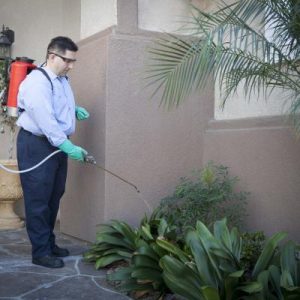
Time, Labor, and Technical Calibration Realities: While handling general yard maintenance builds personal familiarity with your property’s weak points, managing complex infestations requires industrial-grade technology. Certified professional services deliver targeted, reliable results for deep structural challenges. Blending consistent homeowner sanitation habits with quarterly professional inspections optimizes your home’s defense system, keeping enforcement high through every season.
Decision Framework Checklist: Rely on do-it-yourself adjustments when executing basic property sanitation or managing minor seasonal insect counts. However, you should immediately secure certified support if your home faces active infestations, wood-destroying species, or when busy work schedules prevent you from maintaining a consistent monthly calendar rotation.
North Carolina Regional Pressure Maps and Environmental Factors
Our state’s remarkable geographical diversity creates completely separate regional pest pressures that require custom-tailored seasonal containment approaches:
- Mountain Region Challenges: The high elevations and steep thermal drops of Western North Carolina drive heavy winter rodent migrations into heated indoor environments. Cool, saturated forest soils support high densities of moisture-loving pests during spring thaws, while mountain freezes delay spring insect emergence by multiple weeks compared to the coast.
- Piedmont Urban Heat Island Dynamics: The dense commercial infrastructure tracking across central North Carolina creates localized urban heat effects. This trapped warmth extends insect breeding cycles and accelerates the reproduction rates of ants and cockroaches. High neighborhood development density requires strict structural exclusion, while municipal stormwater systems can create localized mosquito pools after heavy rainstorms.
- Coastal Satiation Parameters: Eastern North Carolina’s high groundwater tables and salt-marsh sound basins sustain year-round moisture profiles that invite silverfish, centipedes, and flies into home structures. Saturated salt air can speed up the weathering of screens and caulking materials, demanding more frequent replacement loops. Furthermore, tropical hurricane seasons drive sudden, massive wildlife displacements that push pests straight toward residential roofs.
Professional vs. DIY: Strategic Financial Protection
Making calculated, informed decisions regarding your home’s pest management program allows you to balance cost-effective household choices with elite property asset protection.

Basic maintenance routines—like clearing cobwebs, sanitizing pantry shelves, and fixing faucet leaks—are highly practical DIY tasks that establish an excellent baseline of protection. However, encountering active wood damage or subterranean entry tracks demands an immediate, professional termite inspection to intercept deep wood hollowing before it results in expensive framing repairs. Dealing with complex multi-species infestations or severe vector health risks requires professional equipment and expert integration to ensure your family’s safety.
While purchasing retail spray cans can seem budget-friendly upfront, it often traps a homeowner in an ineffective, reactive cycle that fails to hit the nesting core. Investing in a professional preventative maintenance program delivers continuous security, utilizes advanced non-repellent transfer chemistry, and preserves your home’s equity, making it the most reliable financial choice for your property. For complex tracking situations, or if you are struggling to accurately identify a swarming insect inside your home, consider consulting with our local pest management team to secure a personalized protection plan designed around your specific foundation risks.
Frequently Asked Questions (FAQs)
When is the absolute best time to initiate this annual home protection calendar?
You should launch your annual preventive routine by late February before spring topsoil warming trends cross the 65°F mark across North Carolina. Hardening your foundation before this seasonal transition allows you to neutralize overwintered adults and close off entry paths before spring breeding cycles can accelerate.
Which specific pests present the most challenging year-round threats in North Carolina?
Invasive red imported fire ants, subterranean termites, German cockroaches, and commensal house mice represent the most persistent species requiring year-round management. Our state’s mild winters allow these pests to remain metabolically active inside crawl spaces and wall voids even during the coldest months of the year.
Can a local homeowner successfully keep a property secure without professional contracts?
Many property owners can successfully manage general, low-level pest pressures by maintaining strict structural sanitation and performing consistent exterior caulking routines. However, professional technical expertise becomes an absolute requirement when dealing with wood-destroying insects, venomous spiders, or entrenched rodent networks that require specialized tools to clear.
What is the single most common timing error North Carolina homeowners make?
The most expensive mistake is taking a purely reactive approach—waiting until you see trails of insects inside your living spaces before applying a treatment. Our state’s prolonged warm seasons require pre-emptive spring preparation and extended autumn exclusion to stop migrating pests before they can cross your foundation lines.
How do our state’s changing coastal and inland climates alter the timing of treatments?
Our humid subtropical profile creates much longer active windows than are typically seen in northern states. Homeowners in the Piedmont and coastal plains must begin perimeter treatments weeks earlier in the spring and sustain exterior barrier vigilance through late October to prevent autumn pests from moving indoors for the winter.
Sustaining this systematic, month-by-month approach to integrated pest management protects your long-term real estate equity while ensuring a clean, comfortable indoor environment for your family. Proactive seasonal prevention is significantly more economical than managing advanced infestations, giving you the confidence that your boundaries remain thoroughly defended. Take control of your property’s defenses today—deploy these proven, North Carolina-specific strategies across your yard, and remember that investing in pre-emptive protection saves your household substantial time and stress all year long!