
The primary diagnostic signs of termites in Raleigh homes include earth-based mud tubes scaling foundation concrete, sudden indoor reproductive swarms, hollow-sounding wood framing, and moisture-driven changes along finished drywall surfaces. Across central North Carolina, wood-destroying subterranean colonies exert relentless pressure on residential structures, frequently inducing deep internal decay long before presenting obvious surface symptoms. Recognizing these subtle warning flags early empowers property owners to step in before hidden infestations can compromise structural integrity and expand into complex, budget-breaking contractor repair bills.
Where Raleigh Homeowners Commonly Spot Termite Activity
Because subterranean termites are highly sensitive to open air current exposures, their travel routes remain carefully masked. Homeowners typically intercept their movements across specific structural transition zones:
- Granular, soil-built mud shelter tubes tracking up concrete foundations or crawl space block walls.
- Clouds of dark, winged reproductive insects clustering inside living spaces near window sills.
- Structural timber framing that sounds distinctly soft or hollow when physically tapped.
- Localized peeling paint, blistering wallpaper, or dimpled, bubbling drywall sheets.
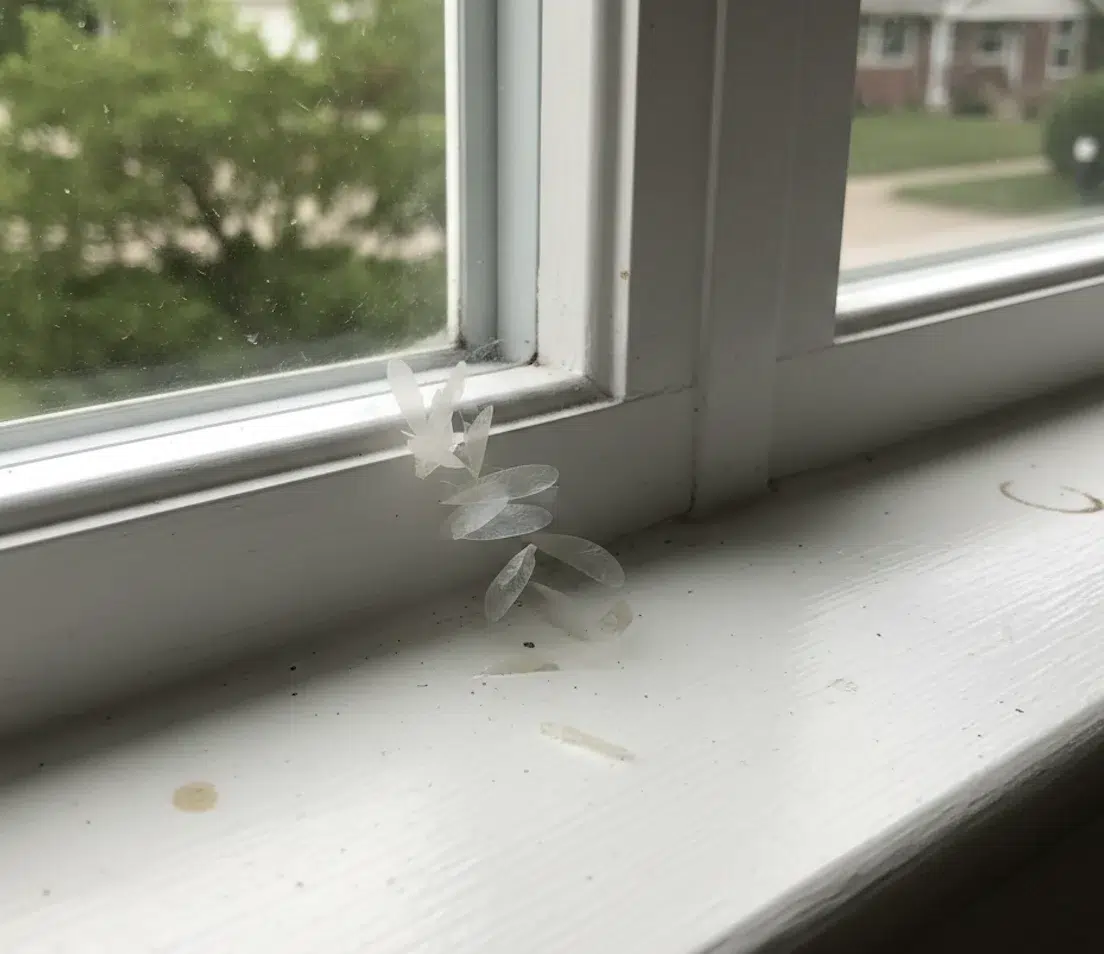
- Piles of translucent, shed insect wings left behind near entry doors and indoor light fixtures.
Discovering any individual marker within your property boundary serves as an immediate indicator that a mature, wood-consuming colony is operating close to your infrastructure.
Why Central North Carolina Houses Face Heavy Termite Pressure
Raleigh’s ambient environmental landscape delivers an absolute paradise for subterranean insect species. According to architectural and biological briefs published by the NC State Extension, eastern subterranean termites depend completely on constant soil moisture vectors and sheltered transit highways, allowing expansive colonies to forage completely unmonitored throughout residential foundations.
Several distinct regional variables accelerate this structural vulnerability:
- High seasonal humidity and heavy precipitation patterns keep baseline soils surrounding your foundation consistently damp.
- Clay-heavy regional soils retain moisture tightly against masonry footings, providing a continuous water supply.
- Traditional crawl space designs and low-clearance wood framing offer direct, low-resistance access to structural cellulose.
- Mild regional winters mean underground colonies maintain active feeding schedules year-round instead of entering a dormant freeze phase.
Properties nestled across established communities like North Hills, Five Points, and Brier Creek face persistent subterranean pressure due to heavy historical tree canopies, damp soil profiles, and vulnerable older construction methodologies.
The Primary Signs of Termites in Raleigh Homes Explained
These classic warning signs often serve as your single line of defense before hidden wood decay compromises your sub-flooring:
1. Subterranean Mud Shelter Tubes
Mud tubes are thin, pencil-width tunnels constructed from a calculated mixture of topsoil, saliva, and organic fecal matter. Subterranean termites rely on these micro-structures to bridge the gap between their underground nests and your home’s structural framing, insulating their fragile, soft bodies from dry air and predatory ants. Inside local homes, these structures are most frequently mapped along concrete foundation block lines, crawl space support piers, and utility pipe penetrations. Finding intact, moist tubes is an immediate sign of active foraging routes.
2. Translucent Discarded Wings and Indoor Swarmers
Termite alates are winged reproductive adults that depart the parent nest in mass numbers to locate mates and drop back into the soil to launch new colony lines. Spotting a cloud of these alates inside your home or uncovering piles of their shed, uniform wings on an interior windowsill represents a structural emergency. Because these insects are weak aerial navigators, an indoor emergence proves a mature, high-density parent colony is already operating directly beneath your floorboards.
3. Hollow-Sounding Structural Timber Decay
Because termites consume wood cellulose strictly from the internal core outward, structural columns, baseboards, and window frames can appear visually flawless from the outside while being entirely hollowed out within. If tapping on your wooden framing yields a dull, paper-thin, or hollow acoustic ring, or if your vacuum cleaner easily punches through a baseboard trim, the colony has already thinned the wood down to a fragile veneer. By the time these symptoms surface, load-bearing repairs are frequently required.
4. Blistering Paint and Bubbling Drywall Lines
As worker termites travel through internal wall voids, they carry damp soil upward and continuously release moisture to preserve the high-humidity microclimate they require to survive. This trapped moisture rapidly migrates into drywall backing, causing interior paint skins to peel, wallpaper to sag, and drywall to bubble or blister. Homeowners frequently misdiagnose these structural changes as simple plumbing leaks, allowing the underlying insect colony to continue feeding unhindered behind bathrooms and kitchens.
Structural Profiling: Termites vs. Carpenter Ants
| Structural Indicator | Subterranean Termite Infestation | Carpenter Ant Activity |
|---|---|---|
| Hollowed Timber Voids | Yes; galleries are packed with rough mud soil layers. | Yes; chambers are sand-smooth and meticulously cleaned. |
| Mud Tube Construction | Yes; vital to protect foraging workers from air currents. | No; workers possess hard exoskeletons and travel openly. |
| Actively Consumes Wood | Yes; harvests cellulose as a primary food source. | No; carves out wood strictly to build nesting space. |
| Indoor Swarming Events | Yes; alates leave identical shed wings near windows. | Yes; larger winged ants forage openly for sweets and fats. |
| Direct Soil Contact Needed | Yes; must return to subterranean moisture lines to survive. | No; can nest high inside dry roofs if a minor leak exists. |
If you remain uncertain whether your current structural issue stems from subterranean columns or wood-boring ants, learn how to isolate the early visual triggers inside our complete architectural comparison guide: Termites vs. Carpenter Ants.