
As autumn transitions across North Carolina, bringing picturesque foliage changes and crisp evening thaws, local property owners naturally turn their attention toward standard winter preparation projects. However, it is absolutely critical not to overlook a defining component of seasonal home maintenance: structural exclusion. With the sharp drop in outdoor temperatures, a diverse mix of invading pests actively shifts into a high-migration phase, hunting for minor construction gaps to secure warm harborages inside your home. Implementing a proactive barrier plan early prevents these cold-weather invaders from establishing deep winter roots behind your drywall.
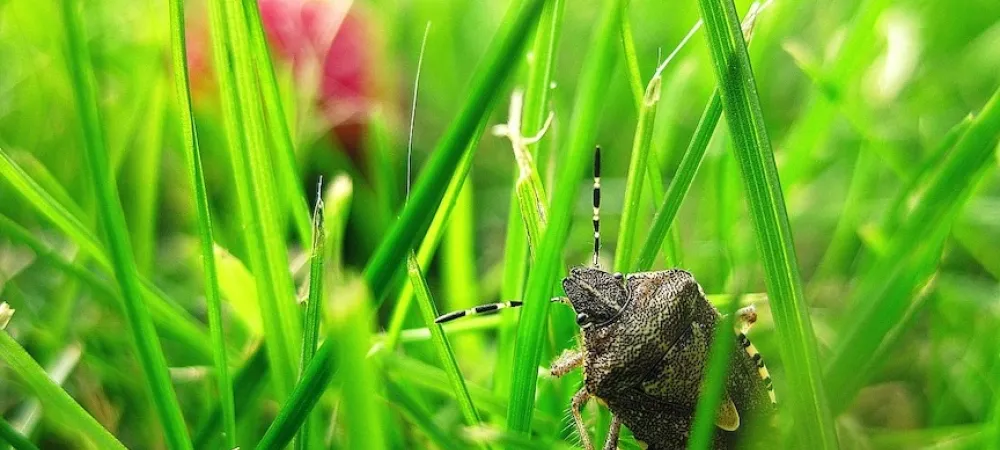
Boxelder Bugs (Boisea trivittata)

Winter Structural Risks
Inside North Carolina properties, boxelder bugs exploit unsealed expansion joints to overwinter deep inside wall insulation lines. While they do not introduce structural safety threats or vector infectious health pathogens, their presence quickly becomes a significant nuisance during winter unseasonable thaws. As interior heating systems warm up the wall voids, hundreds of these insects can wake up prematurely, crawling out of baseboards and clustering along interior windowsills, leaving behind dark fecal specking on fabrics and window trim.
Targeted Exclusion Protocols
- Harden External Openings: Thoroughly seal minor foundation lines and window framing cracks with premium silicone caulk. Pay extra attention to the siding gaps surrounding incoming electrical meters and exterior spigot drops.
- Manage Perimeter Seed Sources: Keep female boxelder trees on your lot meticulously pruned back away from your rooflines, as their seed pods serve as the primary food source drawing populations to your property.
- Establish Perimeter Residual Barriers: Apply commercial-grade, UV-stable residual barriers along door thresholds and low-clearance siding plates ahead of autumn swarms to discourage crawling pests from clustering.
Brown Marmorated Stink Bugs (Halyomorpha halys)
 Stink bugs carry a rigid, shield-shaped exoskeleton, measuring between 1/2 to 3/4 inch in length, and present mottled shades of dusty gray, earthy brown, or forest green. Their most defining anatomical trait is a broad, triangular plate—the scutellum—positioned directly over their back. When physically crushed or startled by predators, these insects release an intense, pungent chemical odor through specialized thoracic glands as a defense mechanism.
Winter Structural Risks
As the autumn cooling cycle accelerates, stink bugs utilize high gables, ridge vents, and rooflines to infiltrate unfinished attic spaces in massive overwintering aggregations. Once established inside a warm attic, their characteristic odor can easily seep into lower living areas through recessed light fixtures and ceiling vents. Tearing open these aggregations can cause a highly offensive, lingering scent profile across your home that is difficult to eliminate using common household air fresheners.
Targeted Exclusion Protocols
- Seal Upper Roof Construction Gaps: Examine high-level soffit boards, chimney flashings, and exhaust vents, sealing structural seams with premium elastomeric caulk.
- Reinforce Fine Wire Screening: Ensure all intake vents and crawl space covers are fitted with intact, heavy-duty wire mesh fabric to block traveling insects.
- Utilize Non-Repellent Mechanical Removal: If individual stink bugs breach your living spaces, remove them using a canister vacuum rather than crushing them manually, preventing the release of their defensive odors.
To protect your home from these smelly autumn invaders, explore our comprehensive guide on how to eliminate stink bugs in North Carolina.
Commensal Rodents: Mice and Rats
Winter Structural Risks
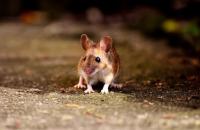
Driven by dropping barometric pressures, rodents aggressively seek interior warmth and unsecured pantry food sources throughout the winter months. They pose serious structural safety risks by continuously gnawing on plastic plumbing links and live electrical wire jackets to trim down their ever-growing incisor teeth. Furthermore, their micro-droppings, urine films, and nesting debris leave behind dangerous public health pathogens, including Salmonella, Leptospirosis, and Hantavirus allergens.
Targeted Exclusion Protocols
- Install High-Density Exclusion Gaps: Pack dense stainless steel wool mesh or copper mesh fabric into open foundation weep holes and seal around incoming utility conduits with specialized concrete compounds.
- Lock Down Storage Sanitation: Move all dry pantry staples, pet kibble, and wild bird seed out of paper packaging and store them inside airtight glass or heavy plastic storage canisters.
- Deploy Strategic Mechanical Trapping: Place commercial snap traps perpendicular along interior baseboards and low-traffic utility paths where fresh tracking tracks are mapped.
For a step-by-step containment strategy, review our professional blueprint detailing how to keep rodents away from your house, or explore our ultimate guide to identifying North Carolina rodents.
Subterranean Termites (Reticulitermes flavipes)
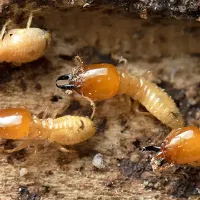 Termites are small, pale, social insects that live within rigid underground caste systems. Soft-bodied worker termites range from cream to light tan and measure 1/8 to 1/4 inch in length. Reproductive alates—or winged swarmers—measure up to 1/2 inch, displaying dark-brown bodies and two pairs of translucent wings of identical length. These pests tunnel silently through structural lumber, consuming wood cellulose from the internal core outward.
Winter Structural Risks
While common flying insects enter a freeze-dormancy, North Carolina’s mild winter soil microclimates allow subterranean termites to remain active year-round. Because they travel behind finished drywall and beneath floorboards, their quiet wood consumption progresses entirely undetected throughout the winter, thining out support joists and generating thousands of dollars in hidden load-bearing replacement costs before presenting a single blemish to the homeowner.
Targeted Exclusion Protocols
- Maintain Unbroken Foundation Inspections: Check foundation block lines and crawl space support piers quarterly for earth-built mud shelter tubes scaling toward your wood framing.
- Drop Under-Home Humidity Profiles: Verify crawl space drainage flows direct rainwater away from your masonry footprint and repair minor plumbing condensation leaks to keep framing wood dry.
- Break All Soil-to-Wood Contact: Elevate backyard firewood racks, landscaping timbers, and scrap lumber completely off the ground and store them at least twenty feet away from your home.
To avoid misidentifying these wood-boring invaders during seasonal flights, check our diagnostic breakdown on termites vs. flying ants: what is swarming your home, or view our local profile on subterranean termites in North Carolina.
Predatory and Nuisance Spiders
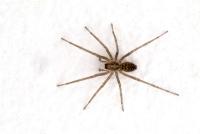
Winter Structural Risks
As spiders move indoors to escape dropping temperatures, they spin unsightly webs across low-traffic storage spaces, clothing chests, and floor corners. While the majority of native species are entirely harmless, encountering venomous brown recluse or black widow spiders inside dark closets introduces serious medical bite risks if they are accidentally trapped against exposed skin inside shoes or blankets.
Targeted Exclusion Protocols
- Dismantle Indoor Storage Clutter: Purge old cardboard shipping boxes from attics and basements, substituting them with smooth plastic storage totes to eliminate dark harborages.
- Execute Systematic Web Removal: Vacuum floor corners, closet rafters, and behind heavy appliances regularly to clear out structural webs and attached egg sacs.
- Deploy High-Catch Monitoring Boards: Place flat sticky monitoring traps along baseboards and behind storage racks to intercept crawling spiders.
Learn how to safeguard your property by checking our local guide to spider control in Raleigh, and review our clinical safety breakdown on North Carolina’s deadliest spiders.
Asian Lady Beetles (Harmonia axyridis)
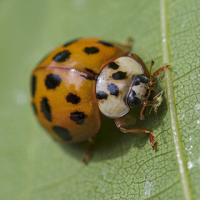
Winter Structural Risks
Asian lady beetles are known for invading homes in massive, multi-thousand-insect swarms. When disturbed or reflexively crushed, they release an orange, foul-smelling defense fluid from their leg joints that can permanently stain light carpet fibers, curtains, and finished wall paints. Unmanaged aggregations gathering around sunny windows degrade interior aesthetics and create a tedious cleanup job as dead beetles accumulate along window tracks.
Targeted Exclusion Protocols
- Calibrate Window Sweeps and Seals: Apply fresh, flexible weatherstripping along window sashes and replace compressed rubber door sweeps to block incoming beetles.
- Sanitize Gathered Aggregations Gently: Use a vacuum cleaner to carefully capture indoor clusters before they stain surfaces, utilizing a knee-high nylon stocking slipped inside the extension wand to trap the insects safely without crushing them.
Secure Expert Perimeter Defense This Autumn
As autumn temperatures steadily drop across North Carolina, establishing a highly resilient perimeter barrier is the single most important step you can take to stop migratory insects and rodents from colonizing your home’s interior wall voids. Relying on short-lived consumer sprays or temporary retail traps will fail to impact the primary breeding colonies operating out of sight, leaving your property vulnerable to hidden structural and sanitation issues.
Achieving durable, year-round comfort requires the diagnostic tools, target-specific formulations, and technical training of a certified pest leader. At Triangle Pest Control, our QualityPro certified field specialists provide comprehensive, custom-tailored residential protection frameworks built specifically for North Carolina’s climate grid. We neutralize active harborages at the source, seal off hidden entryways, and preserve an unbroken exterior shield to keep your home safe through every changing season. Reclaim complete confidence in your home’s defenses—contact our local expert team today to arrange your comprehensive professional pest control service evaluation!