
Why moisture problems cause pest surges in Charlotte homes
Moisture problems create ideal conditions for pests. In Charlotte homes, excess moisture from humidity, rainfall, crawl spaces, and plumbing issues allows pests like ants, cockroaches, termites, and rodents to survive longer, reproduce faster, and move indoors. When moisture goes unchecked, pest activity often increases quickly and unexpectedly.
Charlotte’s climate plays a major role. Warm temperatures and frequent rainfall mean moisture pressure exists for much of the year, not just during storm season.
Why moisture issues are so common in Charlotte homes
Charlotte’s environment naturally supports moisture buildup around homes.
According to the 1991–2020 climate normals for Charlotte Douglas International Airport published by the NOAA National Centers for Environmental Information, the region experiences regular rainfall and consistently elevated humidity throughout much of the year. Charlotte’s clay-based soil further contributes to the problem by retaining moisture near foundations, increasing the likelihood of damp crawl spaces and ongoing moisture buildup around homes.
Additional local factors contribute to the problem:
- Crawl space construction common in many Charlotte neighborhoods
- Seasonal storms and heavy rain events
- Poor grading or drainage around foundations
When moisture collects beneath or around a home, pests do not need to travel far to find shelter.
How moisture attracts pests indoors
Pests rely on moisture to survive. When outdoor conditions become overly wet or unstable, pests move toward structures that offer warmth, dryness, and protection.
The National Pest Management Association identifies excess moisture as one of the most common contributors to indoor pest infestations. Damp environments allow pests to live longer, reproduce more quickly, and remain hidden inside walls, crawl spaces, and structural voids.
Moisture attracts pests by:
- Preventing dehydration
- Supporting mold and fungi that serve as food sources
- Softening wood and building materials
- Creating protected nesting areas
Once pests move indoors, infestations can grow quietly before homeowners notice visible signs.
Moisture trends across the Southeast increase pest pressure
Moisture-related pest activity is not limited to individual homes. According to PestWorld, the public education arm of the National Pest Management Association, excessive moisture across the Southeast creates ideal conditions for early and increased pest activity.
Persistent moisture allows pests like termites, ants, cockroaches, and mosquitoes to flourish outdoors and drives them indoors when conditions become unstable. In Charlotte, this often appears as sudden pest surges following periods of heavy rain.
Moisture and ant infestations
Ants are often the first pests homeowners notice when moisture problems develop.
After heavy rain, saturated soil floods outdoor nests and pushes colonies toward higher ground. In Charlotte homes, this commonly leads ants into kitchens, bathrooms, and along baseboards.
Common signs include:
- Ant trails along walls or countertops
- Activity near sinks or dishwashers
- Sudden infestations after rainfall
If moisture conditions remain, ants can establish long-term indoor nesting sites.
Moisture and cockroach activity
Cockroaches thrive in damp environments. Even well-maintained homes can experience roach activity when moisture is present.
The National Pest Management Association notes that cockroaches are strongly attracted to moisture sources such as plumbing leaks, condensation, and humid crawl spaces.
In Charlotte homes, roach activity is often linked to:
- Leaky pipes or drains
- Condensation around HVAC systems
- Poor ventilation in bathrooms or laundry areas
Because cockroaches hide during the day, moisture-related infestations may grow larger before becoming noticeable.
Moisture and termite risk
Termites are one of the most serious pests associated with moisture problems.
According to NC State Extension, subterranean termites depend on moisture to survive and are especially attracted to damp soil and moisture-damaged wood. Elevated moisture levels around foundations make it easier for termites to access structural wood and remain active.
Moisture increases termite risk by:
- Softening wood and making it easier to consume
- Maintaining favorable soil conditions near foundations
- Allowing hidden damage to continue undetected
Because termite activity often occurs out of sight, moisture-related infestations can go unnoticed for extended periods.
Moisture and rodent intrusion
Rodents may not seem moisture-dependent, but water plays a key role in their movement patterns.
Heavy rain can flood burrows and saturate soil, forcing rodents to seek shelter inside structures. Damp crawl spaces provide warmth, insulation, and protection from predators.
Signs rodent activity may be tied to moisture include:
- Increased crawl space activity after storms
- Noises in walls or ceilings
- Damaged insulation or ductwork
Moisture problems make it easier for rodents to settle in and remain hidden.
Common moisture sources homeowners overlook
Many homeowners treat visible pest activity without identifying the moisture issue driving it.
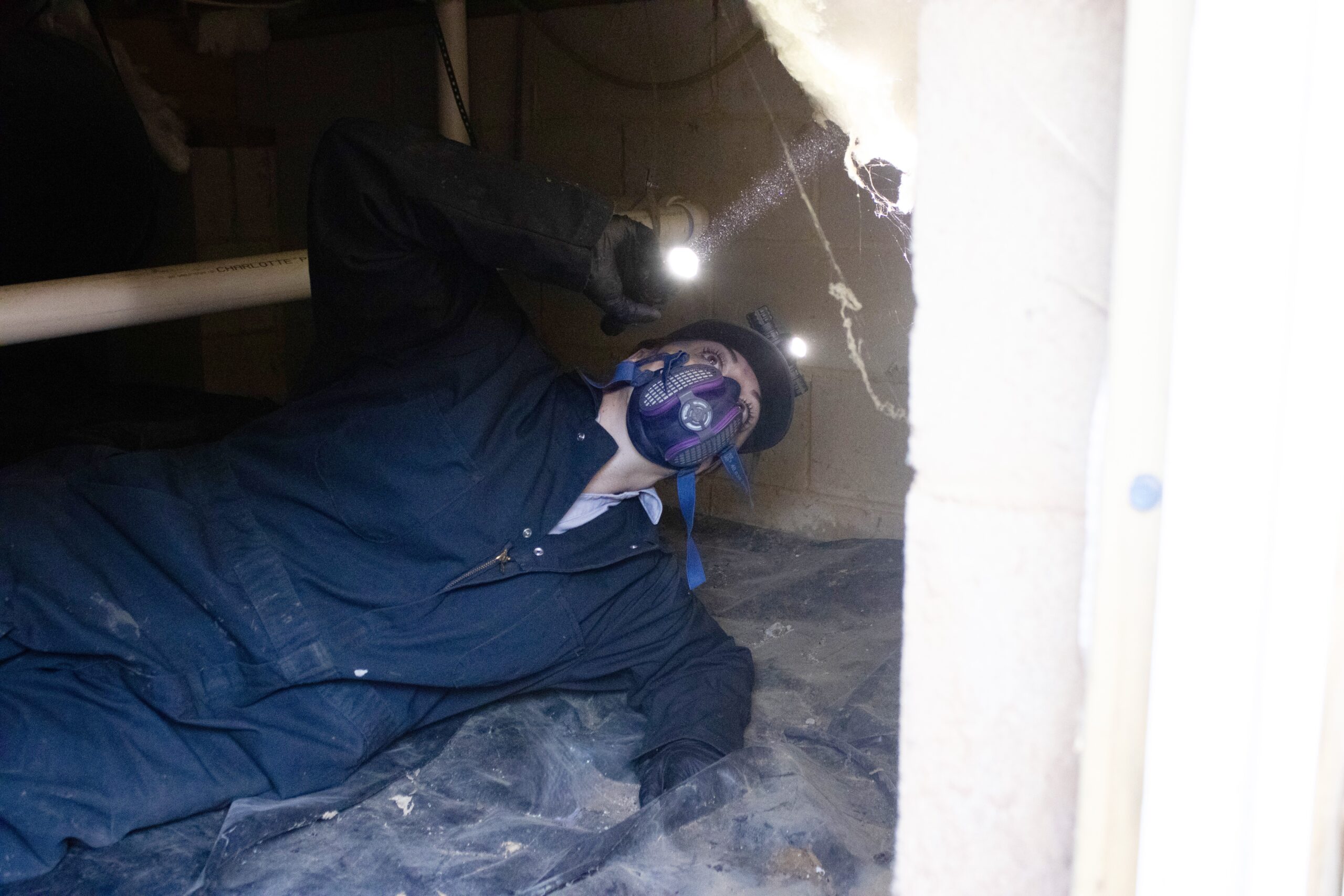
Guidance from NC State Extension highlights several commonly overlooked moisture sources:
- Damp crawl spaces with limited airflow
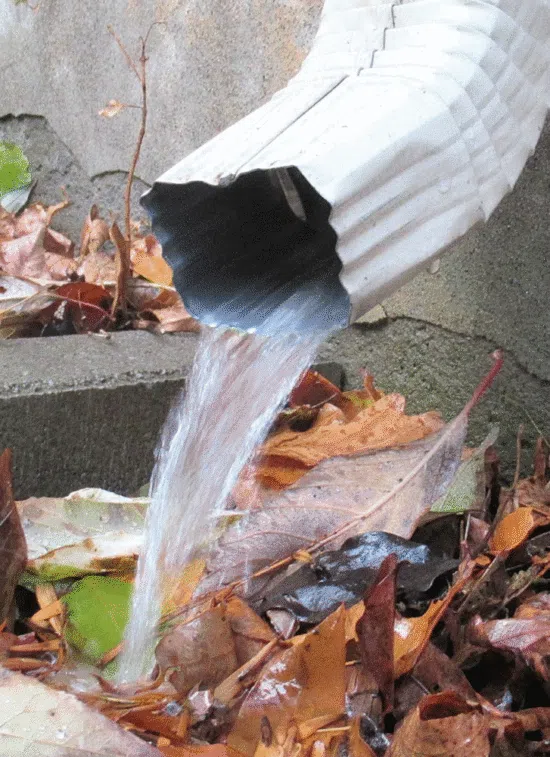
- Clogged or overflowing gutters
- Standing water near foundations
- HVAC condensation lines
- Small plumbing leaks behind walls or under sinks
Left unaddressed, these conditions create ongoing pest pressure.
Signs moisture may be causing your pest problem
If you notice pest activity alongside any of the signs below, moisture may be the underlying issue:
- Musty odors in crawl spaces or closets
- Increased pest sightings after rain
- Condensation on windows or pipes
- Soft or warped wood
- Persistent indoor humidity
Treating pests without addressing moisture often leads to recurring infestations.
What homeowners can do next
Some moisture issues can be reduced with routine maintenance, such as fixing visible leaks or directing water away from the home. Others require professional evaluation. Because moisture often drives recurring infestations, effective pest control usually requires identifying and correcting underlying moisture issues as part of the solution.
Final takeaway
Moisture problems in Charlotte homes create the perfect environment for pests to move in, multiply, and remain hidden. By addressing moisture early and understanding how local climate conditions influence pest behavior, homeowners can reduce pest surges and protect their homes more effectively year-round.