

Without maintaining a consistent, proactive perimeter barrier, certain specific architectural zones within your home rapidly transform into prime targets for recurring pest invasions. These vulnerable environmental blind spots deliver the exact combinations of deep ambient moisture, accessible food resources, dark shelter voids, and unmonitored entry pathways that foraging insects and opportunistic rodents require to build hidden colonies and multiply at an explosive rate. Securing a reliable schedule for regular pest treatment across these focal points is critical to stopping a small introduction from evolving into a severe structural liability.
What Exactly Formulates a High-Risk Pest Area?
High-risk pest zones are specialized, low-traffic environments inside a residential structure that naturally attract and harbor diverse invasive species. These operational quadrants share clear biological characteristics that make them ideal incubators for insect survival and rapid reproduction: continuous proximity to internal water lines, microscopic food particulate accumulations, insulated mechanical warmth, and total freedom from daily human disturbance. Recognizing these hidden hotspots is a vital component of professional property management, as they serve as the primary staging grounds where minor pest populations expand completely out of sight before breaching your open living spaces.
Core Benefits of Maintaining a Consistent Perimeter Barrier
- Disruption of Reproductive Lifecycles: Regular, target-specific treatments intercept traveling pests before they can deposit egg clutches or establish active foraging trails, successfully suppressing population growth at the true source.
- Long-Term Property Equity Insulation: Proactive maintenance hardens your structural framing against devastating wood-boring threats like subterranean termites and carpenter ants, while preventing rodents from degrading wire jackets and fiberglass insulation.
- Household Sanitation and Health Safety: Continuous external barriers dramatically reduce indoor exposure to aggressive disease vectors—such as cockroaches, filth flies, and rats—that leave behind airborne allergens and track dangerous pathogens across food prep surfaces.
The Primary Pest-Prone Environmental Zones
Zone 1: Microclimate Moisture Clusters
- Primary Locations: Unvented crawl spaces, basements, master bathrooms, and the dark drywall voids situated directly beneath plumbing pipe drops.
- Target Pests: High-humidity scavengers including German cockroaches, silverfish, house centipedes, and mold-consuming beetles.
- Operational Reality: While these damp zones are conceptually direct to identify during diagnostics, localized humidity spikes continuously challenge the longevity of standard retail chemical sprays, demanding advanced, micro-encapsulated professional formulas to withstand the moisture.
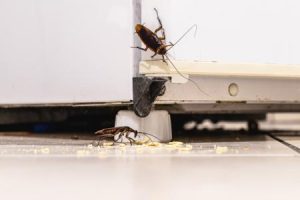
Zone 2: Food Storage and Preparation Centroids
- Primary Locations: Kitchen pantries, under-appliance floor spaces, formal dining areas, and open domestic pet feeding stations.
- Target Pests: Foraging ant colonies, indoor filth flies, indianmeal pantry moths, and nocturnal rodents tracking grease signatures.
- Operational Reality: High insect density makes localized activity highly apparent to the homeowner; however, rigorous chemical food-safety protocols strictly limit where products can be safely applied, requiring advanced gel matrices and target-specific bait placements rather than broad, reckless spraying.
Zone 3: Architectural Transitions and Entry Vector Lines
- Primary Locations: Attached garages, structural attic spaces, exterior doorway thresholds, worn window frames, and utility conduit access rings.
- Target Pests: Predatory spiders, overwintering wasps, field mice, and seasonal invaders seeking thermal protection.
- Operational Reality: This zone forms the absolute frontline for comprehensive structural exclusion, yet it remains the single most frequently overlooked sector during routine DIY home maintenance sweeps.
Executing an Area-Specific Management Protocol
Achieving a highly protected home baseline demands transitioning away from reactive treatments and moving toward an integrated, multi-tiered checklist program:
Step 1: Perform Exhaustive Monthly Physical Audits
Use a high-lumen flashlight to systematically inspect all high-risk infrastructure points every month. Train your eye to scan for the earliest, subtle indicators of an unmanaged introduction, including fine fecal specking, scattered insect wings, chewed structural materials, musty ambient odors, or dead worker scouts along baseboards.
Step 2: Establish Target-Specific Seasonal Barriers
Insects and rodents adapt their behaviors based on changing regional barometric pressures and soil temperatures. Coordinate your barrier applications to precede these biological shifts—deploying heavy, UV-stable liquid exterior blockades ahead of spring reproductive swarms, and prioritizing deep structural exclusion sealing before autumn cooling trends drive rodents indoors.
Step 3: Document and Adjust Defense Vectors
Track changing pest pressures across different sectors of your home layout. If a localized moisture zone shows a brief surge in activity following heavy rainfall, adjust your service frequency or bait configurations to match that exact structural liability rather than relying on a generic, house-wide spray template.
Regional Climate Dynamics & Structural Liabilities
- Piedmont Environmental Pressures: High-humidity southeastern climates generate relentless, year-round insect reproduction cycles that demand an active, unbroken chemical barrier, differing significantly from northern zones where deep winter freezes briefly slow down outdoor colonies.
- Proactive Seasonal Calibration: Winter property preparation must lean heavily into physical exclusion engineering and structural void treatments, whereas summer protocols transition to active canopy treatments and moisture-barrier diagnostics. Because different regional pests accelerate their breeding cycles at distinct times of the year, mapping your defenses to their biological schedules is vital to successful control.
- Targeting Localized Wildlife Pressures: Your defensive program must be custom-tailored to the specific species dominant across your immediate landscape architecture—whether managing aggressive fire ant mounds in sunlit turf, brown recluse vectors inside dark attic spaces, or wood-destroying beetles in older crawl spaces.
Critical Operational Pitfalls to Avoid
Pitfall 1: Relying on Inconsistent, Fragmented Service Schedules
Skipping your scheduled perimeter treatments allows the residual barriers around your foundation to break down entirely under direct sunlight and rain. The moment the defensive line fails, hidden survivor colonies inside your walls instantly resume their reproductive cycles, generating a severe population rebound that requires expensive, intensive corrective measures to bring back under control.
Pitfall 2: Treating Surface Symptoms While Ignoring Source Harborages
Spraying a contact chemical can drop a few visible ants traveling across your kitchen linoleum, but it does absolutely nothing to impact the parent queen breeding safely inside your wall insulation. True population suppression requires using advanced, non-repellent transfer technology that worker insects unknowingly carry deep back into their primary nesting hubs.
Pitfall 3: Deploying a Uniform, Generic Approach Across All Rooms
Applying an identical treatment product to highly diverse environments severely degrades its performance. The precision protocols required to safely suppress insects inside a food-sensitive pantry require entirely separate chemical profiles, toolkits, and bait matrix configurations compared to the heavy-duty residual barriers needed to secure an unfinished basement or attic perimeter.
Frequently Asked Questions (FAQs)
What is the ideal frequency for treating high-risk residential zones?
The vast majority of vulnerable household areas achieve the most reliable protection under a recurring quarterly service rotation, backed by targeted monthly inspections during high-pressure summer thaws when insect metabolisms spike.
Can a homeowner successfully manage these zones using DIY store products?
While a property owner can maintain excellent baseline habits like caulking gaps and storing food inside airtight bins, over-the-counter consumer chemicals lack the commercial-grade residual durability needed to reach deep inside inaccessible spaces like wall voids and crawl space headers.
What distinct warning signs suggest my treatment frequency needs an upgrade?
Uncovering fresh insect droppings despite recent treatments, capturing persistent visual sightings of nocturnal pests during daylight hours, discovering chewed wire jackets, or detecting localized musty odors are immediate operational signs that a colony has established a deep structural foothold.
Secure Certified Professional Area-Specific Protection
When dealing with persistent, deeply entrenched insect or rodent populations inside your home’s most vulnerable zones, relying on superficial surface fixes will only prolong the issue and inflate eventual remediation costs. Achieving durable structural protection requires the advanced diagnostic tools, target-specific products, and biological training of a certified pest management leader.
At Triangle Pest Control, our QualityPro certified specialists build customized, multi-tiered protection frameworks designed precisely around the unique architectural variables of your property. We isolate hidden entry paths, eliminate active breeding centers at the source, and maintain an unbroken exterior shield to keep your home comfortable and secure through every season. Reclaim your home’s total safety—contact the team at Triangle Pest Control today at 919-283-3205 to arrange your comprehensive structural evaluation!