
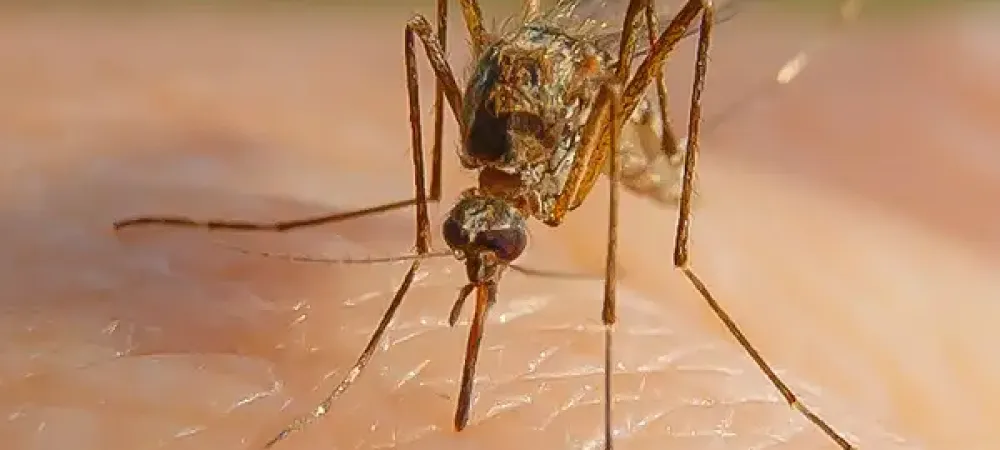
As the intense summer heat settles across the Triangle, local property owners are bracing for a relentless surge in biting insects. The sharp spike in mosquito activity across central North Carolina is far more than a simple backyard nuisance—it is a genuine public health concern that demands proactive, professional mosquito control measures. This environmental challenge has become such a prominent topic locally that state officials continuously designate April as Tick and Mosquito Awareness Month across North Carolina to encourage early-season yard protection.
Why Are Local Mosquito Populations Accelerating?
Data published by the National Pest Management Association (NPMA) consistently tracks a sharp upward curve in seasonal insect activity. Researchers note that heavy leftover winter ground moisture, paired with frequent spring rain forecasts, creates premium, unmonitored breeding grounds across our local landscapes. This distinct weather pattern continues to shape pest pressures throughout the American Southeast, leaving residential properties highly vulnerable to early-season swarms.
Broader climate trends also play a defining role in how quickly these biting insects multiply. Consistently warming night temperatures combined with intense, short-duration summer downpours create high-humidity incubators where mosquito larvae transition into mature adults at an accelerated pace. Local news outlets continuously report on these shifting patterns, highlighting why homeowners need to move away from reactive retail traps and implement durable perimeter protection strategies instead.
The Hidden Health Risks: Looking Beyond the Nuisance Itch
The growing footprint of invasive mosquito species across North Carolina brings a higher risk of exposure to dangerous mosquito-borne viruses. Notable regional strains—including West Nile Virus, Zika Virus, and Eastern Equine Encephalitis (EEE)—can lead to severe health complications for vulnerable individuals. In direct response to these persistent public health risks, the North Carolina Department of Health and Human Services (NCDHHS) manages the ongoing “Fight the Bite” public safety campaign, educating communities on how to properly clear out local mosquito breeding loops.
Tracking the Expanded Mosquito Season Baseline in Raleigh
Long-term weather data tracked by Climate Central confirms that the greater Raleigh metro area is experiencing a permanently expanded mosquito season due to changing weather trends. Local mosquito activity now routinely wakes up by early March and pushes aggressively through late October, maintaining an active presence that spans over seven consecutive months out of the year. This prolonged season exponentially increases the window for potential bites, making early-season perimeter fortification an absolute necessity for protecting your home and family.
The Importance of Early-Season Proactive Awareness
To help address this growing regional concern, the office of the Governor maintains a formal proclamation recognizing April as Tick and Mosquito Awareness Month throughout North Carolina. This public safety initiative is calculated to focus community attention on the immense value of early-season yard cleanup—stopping the first wave of bugs before they take over your backyard and establish a dominant foothold in local neighborhoods.
Actionable Yard Strategies to Suppress Mosquito Breeding
Denying female mosquitoes access to stagnant surface water is your primary line of defense. Homeowners can dramatically lower local pest pressures by incorporating these quick sanitation steps into their weekly property maintenance checklists:
- Execute Systemic Surface Water Sweeps: Mosquitoes require nothing more than a shallow splash of standing water to deposit hundreds of eggs. Regularly inspect, dump, and dry open patio saucers, birdbaths, children’s toys, and sagging tarps.
- Harden Window and Door Screening: Thoroughly check your home’s baseline entryways, repairing fine tears or loose framing gaps along window screens and porch enclosures to physically block insects from infiltrating your indoor living spaces.
- Optimize Personal Protection Habits: When relaxing outdoors during peak dawn and dusk foraging hours, apply EPA-registered repellents containing certified active ingredients like DEET or picaridin, and utilize lightweight, long-sleeved clothing.
Secure Certified Professional Protection for Your Landscape
Managing high-pressure mosquito swarms using weak consumer sprays or short-lived yard candles is an endless, losing battle. True, sustainable yard comfort demands an integrated pest management (IPM) approach. At Triangle Pest Control, our QualityPro certified specialists deliver intensive mosquito suppression through our advanced SafeLawn defense framework.
Our local field experts deploy sophisticated, micro-encapsulated treatments across active canopy resting zones, target hidden breeding spots, and apply specialized biological treatments to break up the reproductive lifecycle at the source. Reclaim the full enjoyment of your outdoor spaces—contact our team today to establish your custom seasonal shield!
Comprehensive Regional Defense Across the Triangle Metro:
Verified Informational Sources:
- ABC11 News: Regional Insect Safety & The NCDHHS ‘Fight the Bite’ Initiative
- North Carolina Executive Proclamation: Tick and Mosquito Awareness Month Standards
- WCNC Climate Research: Tracking Weather Shifts and Regional Mosquito Pressures
- WRAL Meteorology: Expanding Seasonal Windows and Disease Transmission Trends in Raleigh