
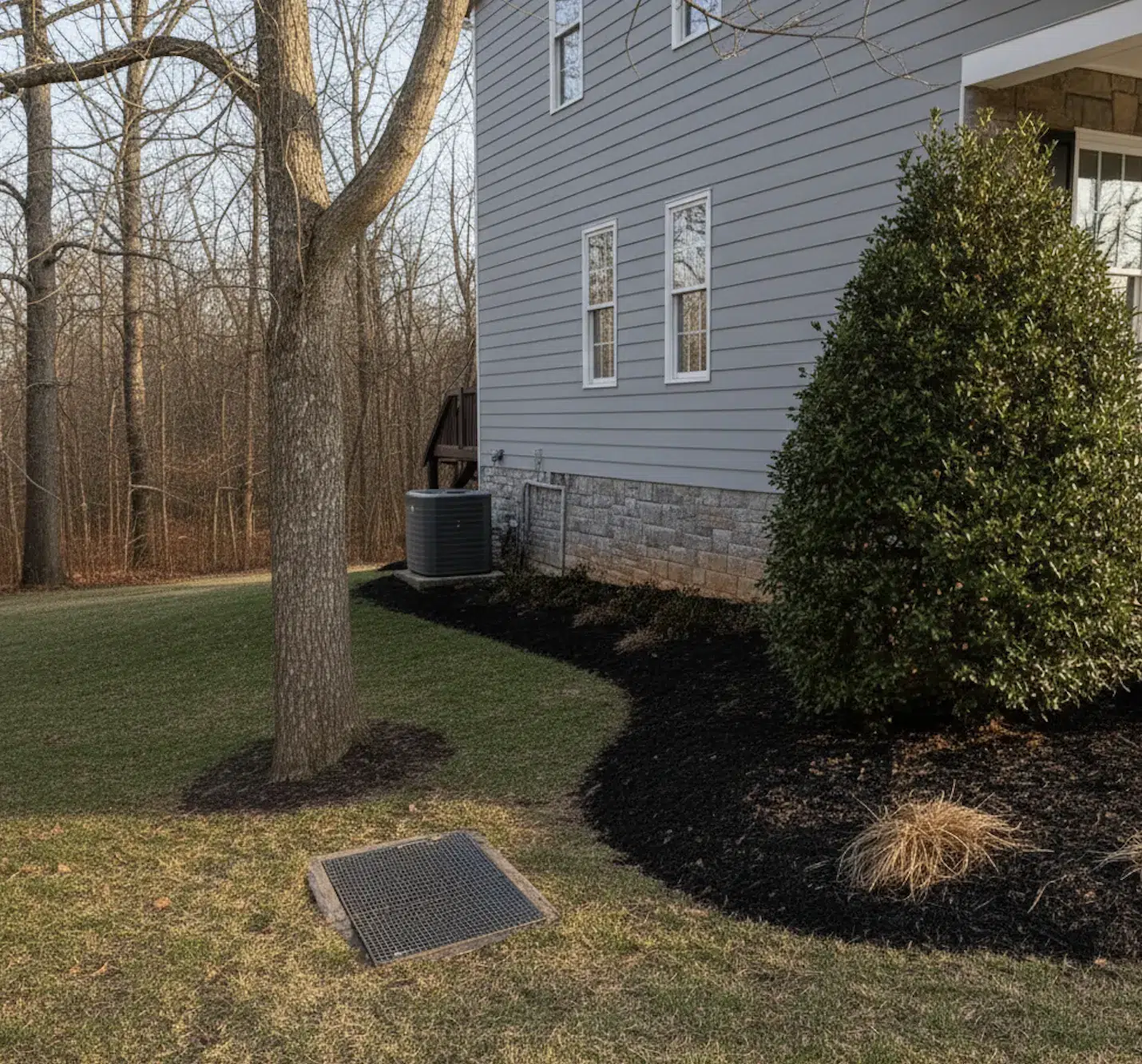
Warm February pest activity in North Carolina can increase inside homes during mild weather. Many pests respond to temperature, not the calendar. When daytime temperatures rise above normal winter levels, insects and rodents begin moving again indoors.
This is why homeowners in Charlotte and nearby communities often notice pest activity weeks before spring officially begins.
Why Warm February Pest Activity Increases Across North Carolina
Pests do not disappear in winter. They slow down.
According to NC State Extension, many common household pests survive winter by sheltering in protected areas such as soil, mulch, wall voids, crawl spaces, and attics. When conditions become favorable, these pests move from hidden areas into living spaces in search of food and moisture.
Late-winter warm spells signal that conditions may support feeding and expansion. That movement frequently leads pests toward homes, where temperatures remain stable and resources are available.
This activity can begin in February even if cold weather returns shortly afterward.
Which Pests Become More Active During Warm February Weather
Warm February weather does not create pest problems. It exposes existing ones.
Ants are often the first sign. Colonies near foundations respond quickly to rising soil temperatures and send workers indoors through small cracks and gaps in search of moisture and food.
Spiders become more visible as they follow insects that are already active. Increased spider sightings usually indicate broader insect movement inside the home.
Cockroaches remain active indoors year round, but warmer conditions increase their range and visibility, especially near kitchens, bathrooms, and plumbing areas.
Termites do not hibernate. Subterranean termites remain active underground throughout the winter. Warm February weather can trigger early surface movement near foundations and crawl spaces, sometimes weeks before peak swarm season. According to NC State Extension, subterranean termites in North Carolina begin swarming in late winter, most often on warm days following rain. Indoor swarming usually indicates an active infestation within the structure.
|
Pest |
Why February Activity Increases |
What It Signals |
|
Ants |
Rising soil temperatures prompt activity |
A nearby nest |
|
Spiders |
Insects become active |
Broader pest activity |
|
Cockroaches |
Expanded indoor movement |
Hidden infestations |
|
Termites |
Warm conditions increase movement |
Activity near the structure or foundation |
This is a strong reason to take late-winter activity seriously rather than dismiss it as a fluke.
Why February Pest Activity Matters for Homeowners
Pest activity in February is an early warning sign.
When pests appear before spring, it often means nests are already established close to the home. As temperatures stabilize in March and April, those populations grow quickly. What starts as occasional sightings can become persistent indoor problems.
Homes with crawl spaces, moisture issues, older foundations, or dense landscaping are especially vulnerable during late winter warm periods.
Addressing pest activity early is easier and more effective than reacting once infestations are fully established.
Why Some Homes Experience More Pest Activity Than Others
Not all homes see the same level of pest pressure during warm February weather.
Homes are more likely to experience early pest activity when moisture collects near the foundation, mulch is piled against exterior walls, drainage directs water toward the structure, or small entry points remain unsealed.
Neighborhoods with mature landscaping and closely spaced homes often experience higher pest pressure because pests can move easily between properties.
A professional inspection can help identify why one home is affected while others nearby are not.
What Homeowners Can Do When Pests Appear Before Spring
When pests appear in February, the goal is to reduce access and limit expansion.
Sealing visible cracks, reducing moisture near the foundation, and securing food sources can help limit activity. These steps are useful, but they rarely address nesting locations or hidden entry points.
Professional inspections focus on where pests are coming from, not just where they are seen. Early intervention helps prevent spring infestations before they escalate.
How Triangle Pest Control Helps During Late Winter
Triangle Pest Control focuses on proactive protection, not seasonal guesswork.
Warm February pest activity in North Carolina is an early warning sign, not a random seasonal event. When pests appear before spring, it often means nests are already established near the structure. Addressing activity early helps prevent larger infestations as temperatures continue to rise.
Our late-winter services focus on entry points, moisture conditions, and nesting areas that allow pests to move indoors during mild February weather. By targeting risk areas early, we help reduce spring population spikes before they begin.
Call by 3 PM for same-day service, schedule an inspection, and protect your home year-round with a SafeHome plan.
Frequently Asked Questions
- Does warm weather in February really cause pest problems? Yes. Even short warm periods can trigger pest movement. Many pests become active when temperatures rise above 50 degrees, regardless of the month.
- Is it normal to see ants in February? Yes. Ant activity in February usually means a colony is nearby and responding to warmer soil and moisture conditions.
- Should pest control be scheduled before spring? Late winter is one of the most effective times for inspections and treatment because pests are active but populations have not yet peaked.