Our North Carolina Pest Control Blog
Education, News, Tutorials, and Opinion Pieces
Insights & Resources For Homeowners
Check out our blogs and articles to learn more about keeping your Triangle home worry free & your family and pets safe! We’re sharing our expert advice and the latest news from behind the scenes.
Skipping seasonal pest control in North Carolina leads to significantly higher costs through structural damage, health risks, and emergency treatments.
Without consistent pest control treatments, some household areas become prime targets for reinfestations. These areas provide the moisture, food sources, shelter, and access routes that pests need to establish colonies and multiply rapidly.
Discover why timing is critical for effective pest control in North Carolina. Learn how scheduled treatments based on pest biology can increase effectiveness by 400% while reducing chemical exposure. Get expert insights on seasonal pest cycles, regional considerations, and proven strategies that save money and protect your property year-round.
Misunderstanding how pests invade homes, and how best to address them, can lead to missed opportunities for prevention or, worse, worsening infestations. Let’s take a closer look at some of the most common pest control myths in North Carolina and clear up the confusion.
In this guide, we’ll dive deep into the differences between centipedes and millipedes, why they invade homes, how to address infestations, and when it’s time to call in the professionals.
From disturbed soil and exposed wood to new hiding places within walls, renovations create opportunities for pests to sneak in. Taking the right preventative steps during your renovation can save you from costly infestations down the line.
This blog breaks down why pest issues are worse in certain areas of Raleigh and what you can do to keep your home protected—no matter where you live.
Understanding which pests to look out for and why they become so active this time of year can help you stay a step ahead. In this blog, we’ll explore the most common springtime pests in North Carolina, why they thrive in the spring, and what proactive steps you can take to keep them out.
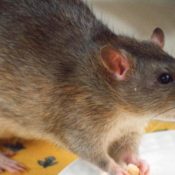
Rodents, particularly rats, are closely linked to humans. That's because people and their dwellings provide them with the things they need most to thrive. If you have a rodent infestation, Triangle Pest Control can help.
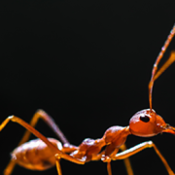
Fire ants may be small, but their impact in North Carolina is far from insignificant. Since the grand arrival of fire ants in Brunswick County, North Carolina in 1957, their proliferation in the state has been difficult to control.
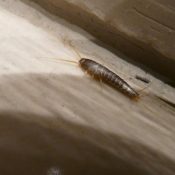
While silverfish are not the most dangerous pests, their presence can lead to nuisance problems and damage to your home. In this guide, we’ll cover everything you need to know about silverfish: how to identify them, common types found in NC, their risks, prevention tips, and how to get rid of them.
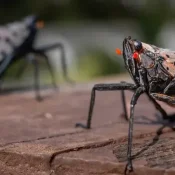
The beauty of our state is currently threatened by an invasive pest: the spotted lanternfly (Lycorma delicatula). This blog will provide essential information about this pest, its impact on our local ecosystems, and practical steps you can take to protect your home and property.
Wasps are a common pest in the state, and while they do help with pollination and pest control, their presence can be dangerous—especially if you're allergic to their sting. Knowing how to identify wasps, prevent infestations, and safely remove them is essential for keeping your home and yard safe.
Whether you have pets or not, fleas can invade your home and yard, causing discomfort and frustration. In this guide, we’ll help you identify fleas, highlight the most common types in North Carolina, provide prevention tips, and explain how to get rid of them effectively.
North Carolina hosts a variety of different terrains in between the mountains in the western part of the state, to the beaches in the east. Despite these different settings, North Carolina is known for being warm and humid for most of the year.